
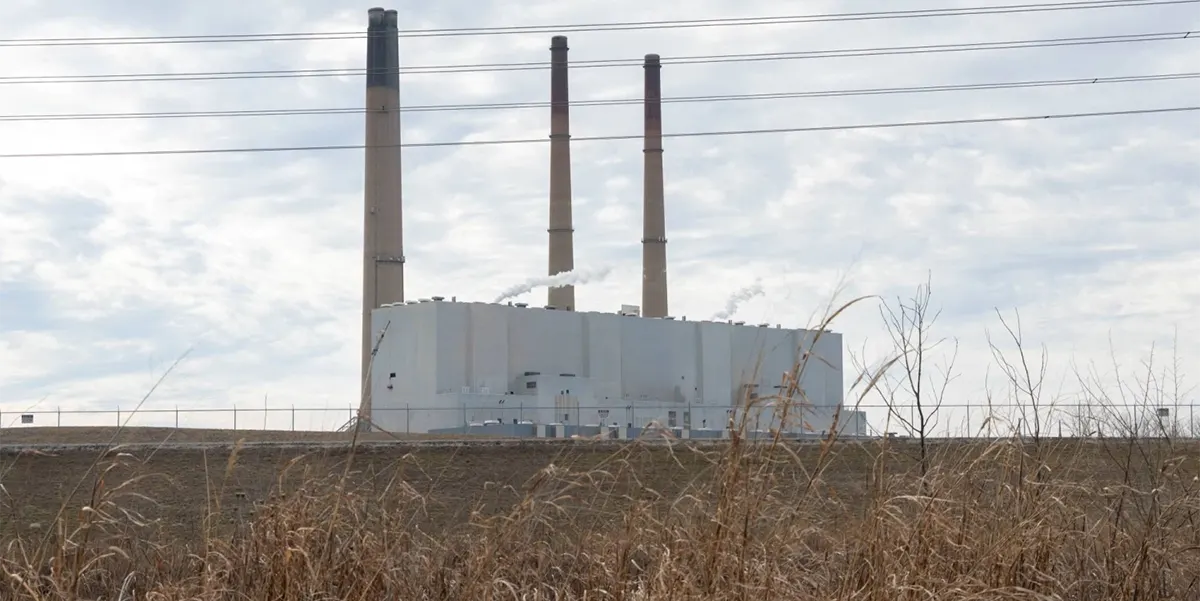
The rapid growth of artificial intelligence (AI) is now linked to worsening air pollution in parts of the United States. In St. Louis, one of the country’s most polluted cities, clean-air progress has slowed due to rising energy demand.
Activists said earlier environmental improvements are now at risk. The increase in power-hungry data centers has forced authorities to reconsider energy policies. As a result, older and more polluting energy sources remain in use.
🏭 📉 Policy Rollbacks Impact Air Quality
Stricter federal rules introduced in 2024 aimed to reduce soot emissions from coal plants. These rules would have required major polluters to cut emissions or shut down by 2027.
However, the policy changed in 2026. Authorities rolled back these standards to ensure enough electricity supply for expanding AI infrastructure. Consequently, coal plants continue operating without major upgrades.
This shift has slowed the decline of coal use in the US. Therefore, pollution levels remain higher than expected in affected regions.
⚡ 🌍 Data Centers Drive Energy Demand
AI systems require large amounts of electricity to process data. According to estimates, data center growth could add 50 gigawatts of demand by 2030, increasing pressure on power generation.
As a result, utilities rely more on coal and other high-emission sources. In St. Louis, the Labadie Energy Center continues to operate as a major contributor to pollution.
Experts said the AI boom has become a major factor influencing environmental policy. Therefore, clean-energy transitions face new challenges.
🧑🤝🧑 💬 Communities Face Health Risks
Local communities, especially in North St. Louis, remain heavily affected. Residents already face poor air quality, and pollution levels exceed safety limits in many areas.
Health experts linked pollution to serious conditions, including respiratory and heart diseases. The economic cost of pollution in the region reaches billions of dollars annually.
An environmental activist described the situation as a setback:
“Two steps forward and four steps back.”
Therefore, concerns are growing about long-term public health impacts.
🔄 📊 Clean Energy Goals Under Pressure
Over the past decade, the number of coal plants in the US had declined significantly. However, this trend has slowed as demand for electricity increases.
Meanwhile, technology companies continue expanding data centers. Although some firms invest in cleaner energy, overall demand still strains the system.
Consequently, policymakers face a difficult balance between supporting technological growth and protecting environmental standards.
🌍 📉 Environmental Justice Concerns Rise
Activists warned that pollution impacts are not evenly distributed. Communities located near power plants face the highest exposure.
In addition, many affected areas include low-income and minority populations. Therefore, the issue has raised concerns about environmental justice.
As AI infrastructure expands, experts said these risks could increase. Consequently, the debate over clean energy and technology growth is likely to intensify.

0 Comments