
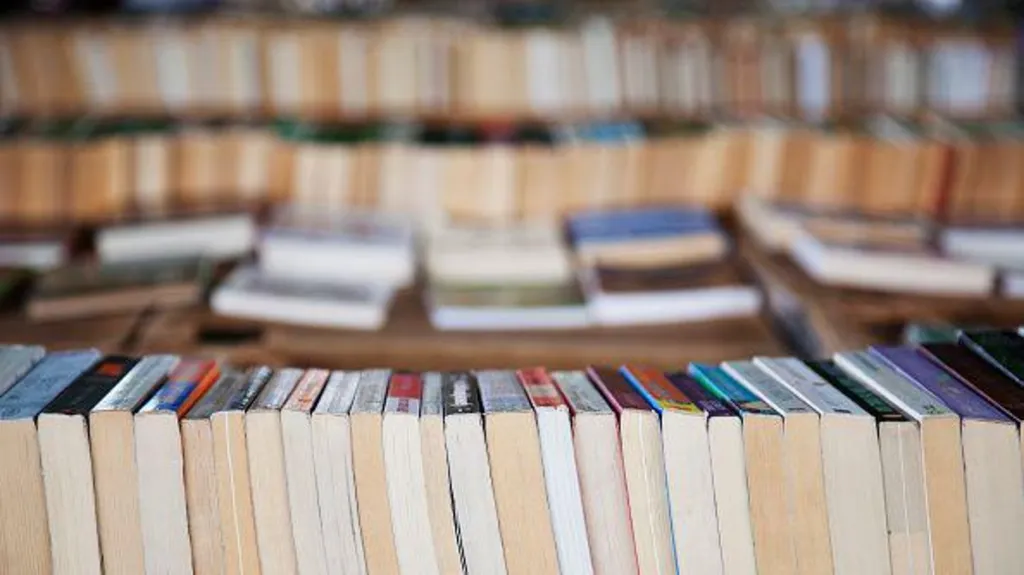
The market for secondhand books is experiencing an unusual surge, with independent booksellers reporting huge bulk orders from companies buying thousands of titles at a time.
The sudden demand has left booksellers wondering why so many used books are being purchased and shipped to distant warehouses.
One possible explanation is the rapidly growing demand for data used to develop and train artificial intelligence systems.
Booksellers Report Unusually Large Orders
Stuart Manley, who runs Barter Books in Northumberland, normally sells between 2,000 and 3,000 books during a typical week.
However, one recent order from a Canadian company matched roughly an entire week’s worth of his usual sales in a single purchase.
Manley says he has never experienced anything similar during his three decades working in the secondhand book trade.
Other independent booksellers around the world have reported comparable bulk orders.
Where Are All the Books Going?
One of the biggest mysteries is what happens to the books after they are purchased.
Rather than being sent directly to individual readers, many of the books appear to be transported to large warehouses.
Booksellers have limited information about their eventual destination or how they will ultimately be used.
That uncertainty has fuelled speculation that the books may be connected to the rapidly expanding artificial intelligence industry.
Could AI Be Driving Demand?
AI companies require enormous amounts of information when developing advanced systems.
Books contain structured language, factual information, storytelling techniques and other forms of text that can be valuable for artificial intelligence research.
While some AI systems can learn from digitally available material, physical books can also be converted into digital text through scanning and optical character recognition.
This has led to speculation that some of the large-scale purchases could be part of efforts to acquire material for AI-related purposes.
A New Market for Old Books
The development could create an unexpected new market for secondhand books.
For years, used-book businesses have relied primarily on readers, collectors and resellers.
Large-scale purchasing by companies could significantly change that model if the demand continues.
However, booksellers remain uncertain about exactly who is behind the purchases and what is ultimately being done with the books.
For now, the mystery continues — but the unusual buying pattern has raised an intriguing possibility: the next big customer for the secondhand book industry may not be human at all.

0 Comments