
Canada’s NATO defence spending strategy has come under increased scrutiny after the federal government committed to meeting the alliance’s new long-term defence investment target. Opposition parties are asking the government to explain how it intends to achieve the spending goal and whether detailed financial projections support its plan.
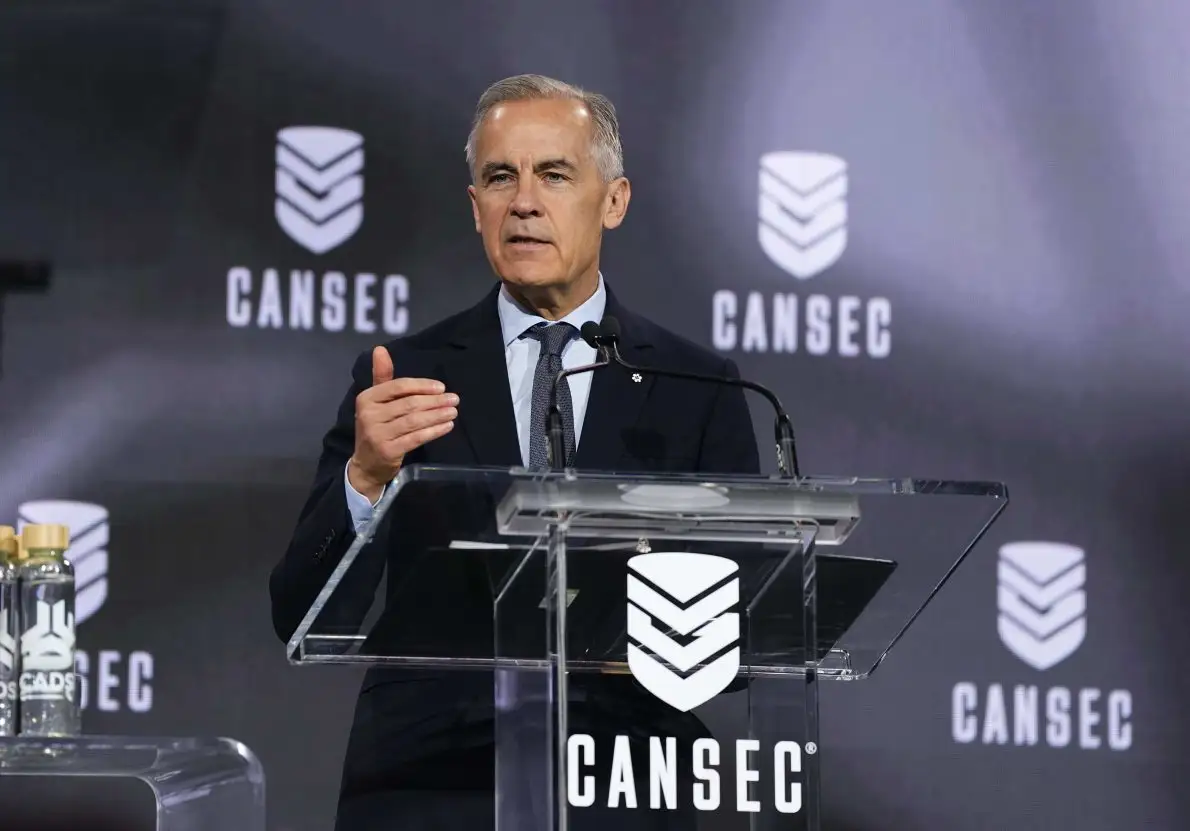
Prime Minister Mark Carney has committed Canada to NATO’s target of spending 5% of gross domestic product (GDP) on defence and related security investments by 2035. The commitment was made alongside other NATO members and includes spending on military capabilities as well as broader security and resilience projects.
Government officials have said the commitment reflects Canada’s intention to strengthen national security while continuing to work closely with NATO allies. However, opposition lawmakers argue that Canadians deserve greater transparency about how the government plans to finance the increased spending over the next decade.
Opposition Seeks More Financial Details
Opposition parties have questioned whether the government has prepared detailed cost estimates to support the commitment. They have called for the release of financial projections and implementation plans that explain how Canada will reach the agreed target without placing unnecessary pressure on public finances.
Government representatives have defended the announcement, saying defence investments will be introduced over time and that additional information will be provided through future budget and fiscal planning processes. Officials maintain that Canada’s security environment continues to evolve and requires long-term investment in defence capabilities and critical infrastructure.
The discussion follows Canada’s recent achievement of NATO’s previous benchmark of spending 2% of GDP on defence, a milestone government officials described as an important step before moving toward the alliance’s new objectives. The updated NATO framework separates spending into core defence investments and broader security-related initiatives, giving member countries flexibility in how they meet the overall target.
Government Says Defence Investments Remain a Priority
The federal government has emphasized that stronger defence spending is intended to improve military readiness, modernize equipment, strengthen infrastructure, and support Canada’s international security commitments. Officials also say these investments are designed to ensure the Canadian Armed Forces remain prepared to respond to future challenges while contributing to NATO operations alongside allied nations.
As debate continues, both government and opposition parties agree that national security remains an important issue. Their disagreement centers on how the spending commitments will be funded and when Canadians will receive a detailed roadmap outlining future investments. Parliament is expected to continue examining the government’s plans as additional fiscal documents and defence updates become available.
Canada’s commitment comes as NATO members continue working toward stronger collective defence and increased security cooperation. Many allies are reviewing their own defence budgets to meet the alliance’s long-term objectives, making defence spending a key topic of discussion across member nations.

0 Comments