
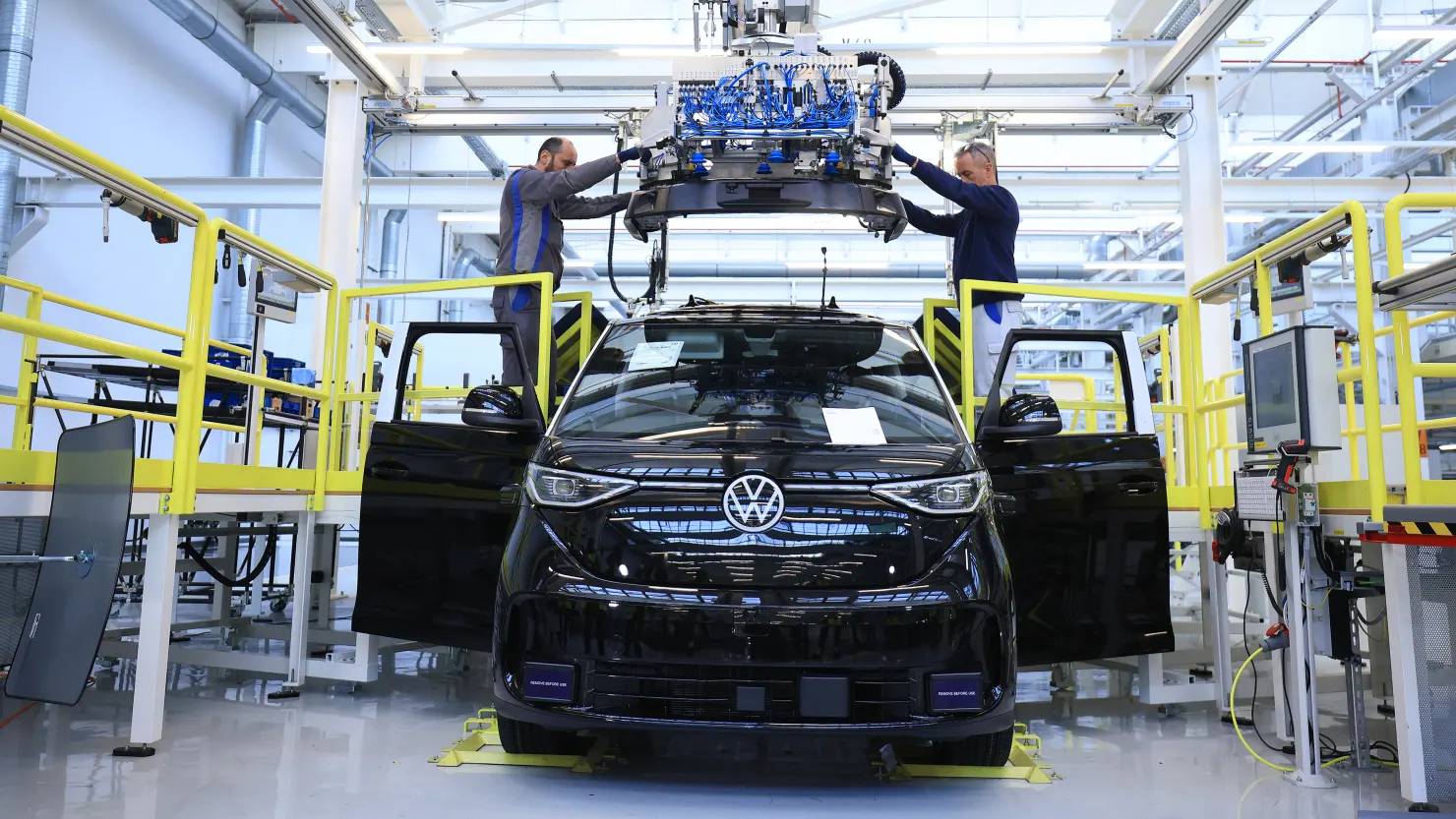
Volkswagen is reportedly preparing one of the most significant restructurings in its 89-year history, including plans to cut around 100,000 jobs and potentially shut down four manufacturing plants in Germany, according to a report by Manager Magazin.
The move would represent a reduction of roughly 15% of the company’s global workforce, as the automaker seeks to respond to intensifying competition from Chinese car manufacturers and ongoing pressure in the global automotive market.
According to the report, the Wolfsburg-based company is also considering reducing planned investments by about 15%, bringing total investment to just over €130 billion ($148.2 billion) over the next five years.
The plants reportedly under review for closure include facilities in Hanover, Zwickau, Emden, as well as Audi’s Neckarsulm site.
Volkswagen has already outlined restructuring efforts in recent years, including job reductions and a broader push to improve efficiency and profitability. However, the scale of the latest reported plan suggests a sharper acceleration of cost-cutting measures than previously expected.
Earlier projections had already indicated around 50,000 job reductions in Germany by 2030. The new figures, if implemented, would significantly exceed those expectations.
The company previously reached an agreement with labor unions in late 2024 to avoid factory closures and rule out compulsory redundancies until 2030, making any potential plant shutdowns politically and industrially sensitive.
A Volkswagen spokesperson declined to comment on internal reports, stating that decisions would be made through the company’s official governing bodies. The company emphasized that the entire group must undergo “profound change” across its brands and subsidiaries.
Investor reaction remained muted, with Volkswagen shares down slightly on Friday. The stock has fallen more than 25% year-to-date, reflecting broader concerns about profitability and competitiveness in the European auto sector.
If confirmed, the restructuring would mark one of the most dramatic transformations in Volkswagen’s modern history, underscoring the pressures facing legacy automakers in a rapidly shifting global industry.

0 Comments