
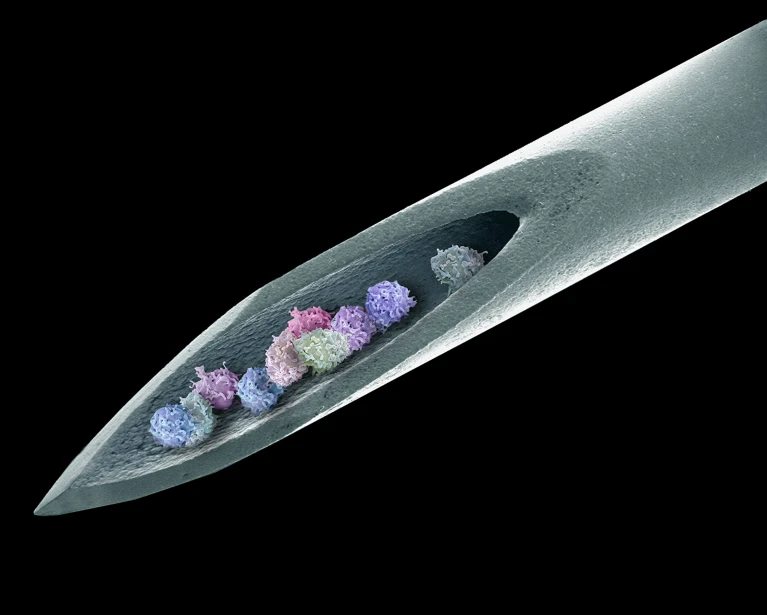
An experimental stem-cell transplant has helped two patients with a rare and debilitating autoimmune disease remain symptom-free for more than 15 years, according to a new study published in Med. Researchers say the findings support the need for larger clinical trials to evaluate the therapy’s long-term potential.
The patients, a man and a woman, were diagnosed with neuromyelitis optica spectrum disorder (NMOSD), a severe autoimmune condition in which the body’s immune system attacks the spinal cord and optic nerves. The disease can cause painful episodes lasting days or months and may lead to vision loss, vomiting, muscle weakness, or paralysis.
Conventional treatments are typically used to reduce the frequency of relapses and manage symptoms, but they had proven ineffective for both individuals involved in the study. As a result, doctors pursued an experimental approach involving a stem-cell transplant aimed at resetting the immune system.
More than 15 years after undergoing the procedure, both patients remain in remission. The male patient experienced significant neurological improvement, resumed a normal lifestyle, and later became a father of two children. The female patient regained better use of her arms and no longer requires medication to control her symptoms.
Scientists caution that the study involved only two patients and that further research involving larger groups is necessary to determine the treatment’s safety, effectiveness, and broader applicability. However, the exceptionally long remission period offers encouraging evidence that stem-cell therapy may provide lasting benefits for patients with severe autoimmune diseases that do not respond to standard therapies.
Researchers believe the results could pave the way for future clinical trials and potentially offer new hope for individuals living with NMOSD and other difficult-to-treat autoimmune disorders.

0 Comments