
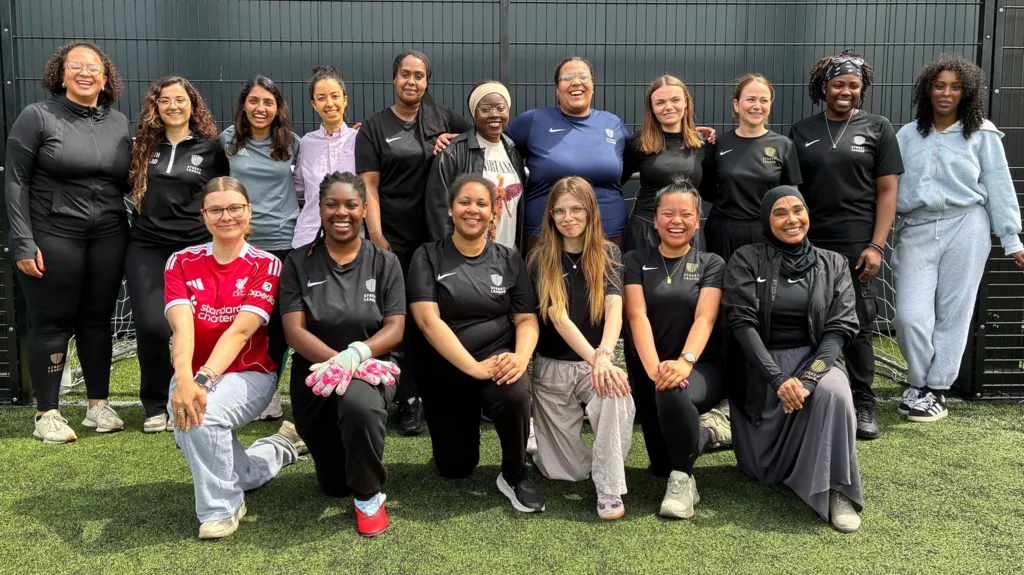
A community-based football programme in North London is helping young women overcome barriers to employment by combining sport with mentoring, skills development, and career support.
The initiative, known as Goal, is run by the charity Street League and is designed for women aged 16 to 29 who face challenges in finding work. Through a 10-week programme, participants receive practical employment training while also taking part in regular sporting activities that encourage teamwork, confidence, and personal growth.
Held at the Unitas Youth Zone in Barnet, the programme creates a supportive environment where young women can develop both professionally and personally. Participants describe the experience as a safe and welcoming space where they can build friendships, gain encouragement, and develop essential life skills.
Alongside football sessions, the programme offers workshops focused on CV writing, interview preparation, job searching, networking, and workplace readiness. Participants also benefit from mentoring, site visits, and opportunities to connect with potential employers.
Organizers believe sport can be a powerful tool for personal development. By engaging in team activities, participants learn communication, leadership, resilience, and problem-solving skills that can be applied in the workplace.
Mentors involved in the programme say the supportive atmosphere helps many young women gain confidence and believe in their abilities. For some participants, the programme provides a valuable stepping stone toward employment, education, or further training opportunities.
The initiative is supported by Sports Relief and forms part of broader efforts to help young people who face social, economic, or personal obstacles to entering the workforce.
As youth employment remains a challenge for many communities, programmes like Goal demonstrate how sport can be used as more than just recreation. By combining physical activity with career development and mentorship, the initiative is helping young women build brighter futures and increase their chances of long-term employment success.
For many participants, the greatest achievement is not improving their football skills but discovering confidence, independence, and a stronger belief in their potential both on and off the pitch.

0 Comments