
One of the world’s leading contemporary art galleries, Pace Gallery, is undertaking a significant restructuring that will see approximately 50 artists removed from its roster and around 50 staff positions eliminated as part of what company leadership describes as a “model correction.”
The move represents one of the most substantial reorganizations within the international art market in recent years and reflects broader challenges facing galleries amid ongoing economic uncertainty and changing industry conditions.
According to reports, Pace plans to reduce its artist roster by roughly 30 percent. At the same time, the gallery’s workforce will be reduced by approximately 20 percent, bringing employee numbers down from around 250 to about 200.
The restructuring was reportedly discussed internally ahead of a staff town hall meeting. The announcement follows growing industry speculation regarding financial pressures affecting major galleries and the wider contemporary art market.
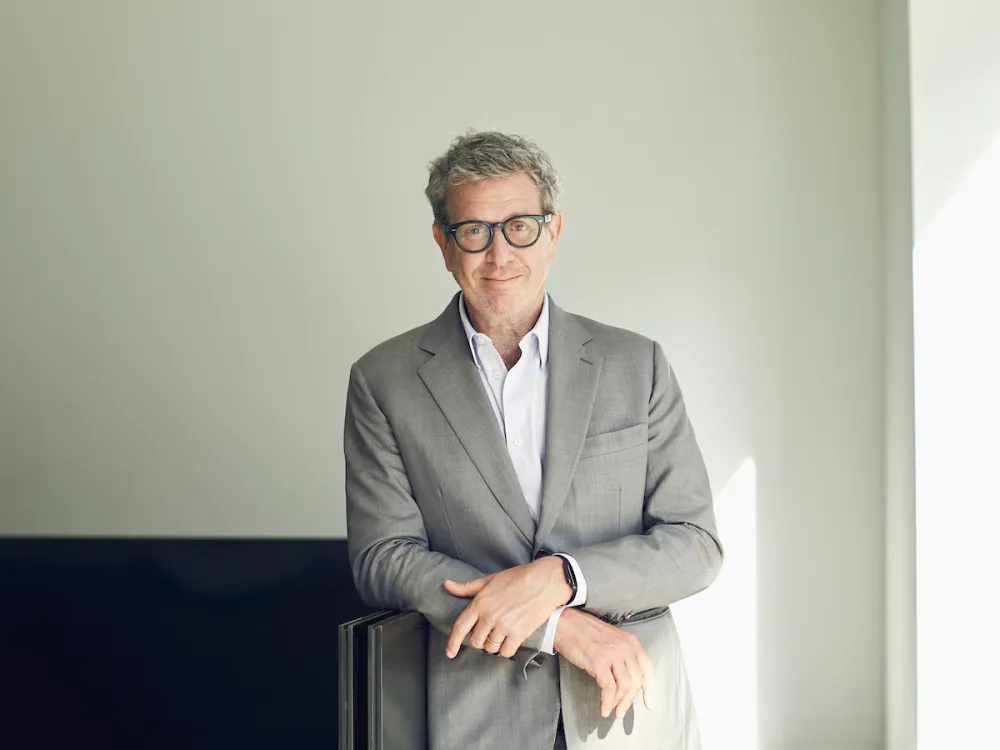
Gallery CEO and chairman Marc Glimcher reportedly described the current art ecosystem as having become overly commercialized and corporate, arguing that significant changes are necessary for galleries to adapt to evolving market realities.
While Pace has not publicly released a complete list of artists affected by the restructuring, several names previously associated with the gallery no longer appear on its website. Among them are Keith Coventry, TeamLab, John Gerrard, and Glenn Kaino.
Kaino commented that the changes were not entirely unexpected, noting that the gallery’s business strategy appeared to be built around expectations for an art market environment that ultimately failed to materialize.
The downsizing comes during a period of contraction across the global art market. Economic uncertainty, elevated interest rates, geopolitical conflicts, and trade-related tensions have all contributed to slower sales activity and increased financial pressure on galleries of various sizes.
Many galleries have faced challenges in recent years as collectors become more cautious with spending and operating costs continue to rise. Several long-established galleries reportedly closed operations in 2025, highlighting the difficult environment facing the sector.
Pace Gallery, founded in 1960, has long been considered one of the most influential players in the international art world, representing many prominent contemporary artists and operating exhibition spaces in major cities around the globe.
Industry observers view the gallery’s restructuring as a reflection of broader changes within the art market, where organizations are increasingly reassessing growth strategies, operational costs, and artist representation models.
As the restructuring unfolds, attention will remain focused on how Pace adapts its business approach and what the changes could signal for the future of the global gallery landscape.

0 Comments