
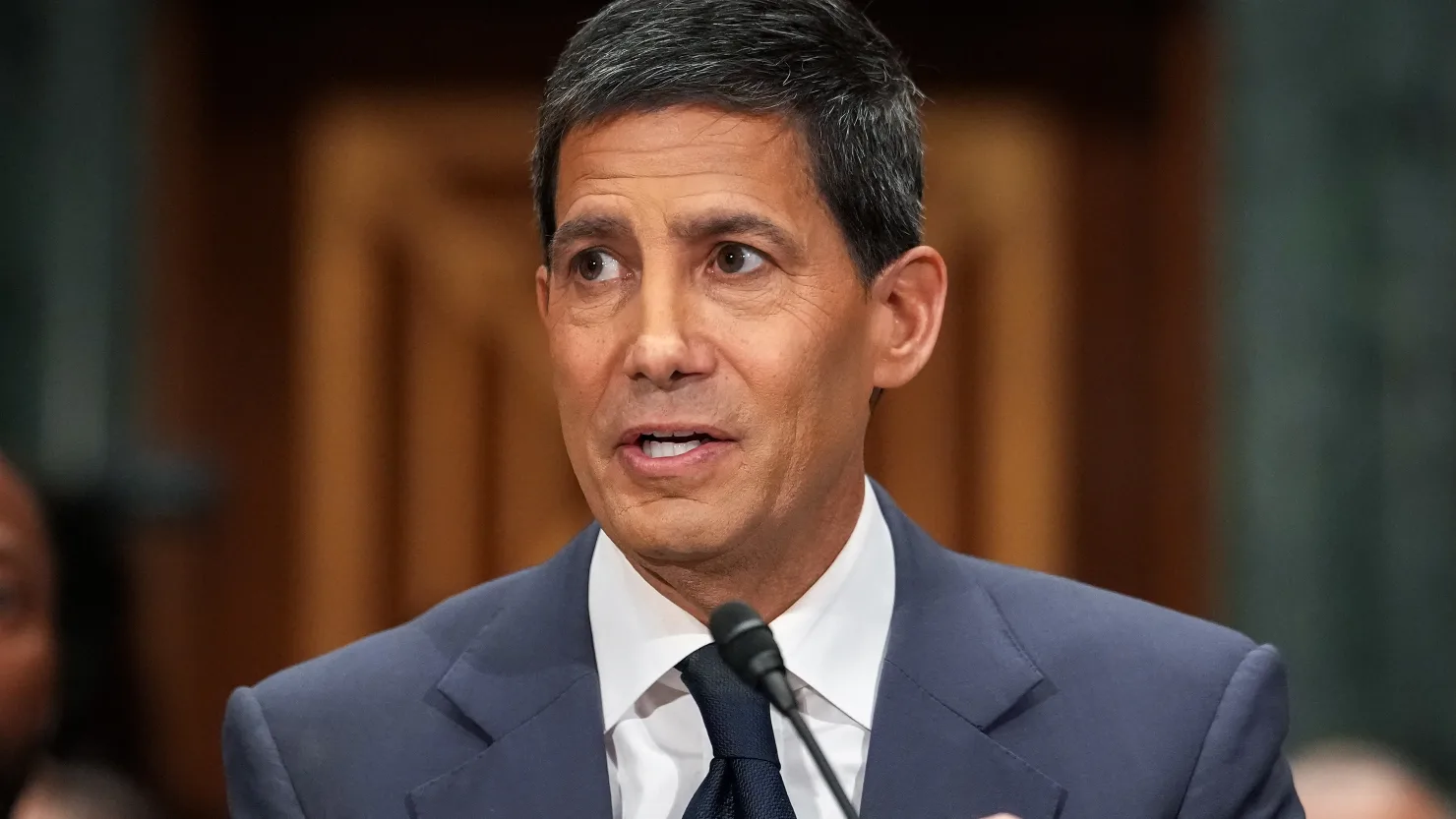
Incoming Federal Reserve Chair Kevin Warsh is expected to bring significant changes to the central bank, with experts suggesting his most important reforms may focus less on interest rates and more on the inner workings of America’s financial system.
Warsh’s recent comments about “regime change” at the Federal Reserve have fueled speculation about potential shifts in monetary policy, leadership, and communication strategy. However, economists and former Fed officials believe the deeper transformation could involve how the central bank manages financial market operations and its enormous balance sheet.
Over nearly two decades, the Federal Reserve dramatically expanded its role in financial markets through crisis-response measures introduced during the 2008 financial crisis and later during the Covid-19 pandemic. Those actions included large-scale bond purchases and liquidity programs designed to stabilize markets and support the economy.
Analysts now believe Warsh may favor reducing the Fed’s routine involvement in day-to-day market operations while establishing clearer limits on when the central bank should step in during periods of economic stress.
At the heart of the debate is whether the Fed should continue actively using its balance sheet to influence financial conditions or instead reserve such interventions only for moments of severe market dysfunction and crisis.
Supporters of a smaller Federal Reserve role argue that years of aggressive intervention have distorted financial markets and increased investor dependence on central bank support. Others warn that reducing the Fed’s influence too quickly could increase market volatility and weaken economic stability during downturns.
If implemented, Warsh’s approach could reshape the relationship between Wall Street and the central bank, potentially marking one of the biggest operational changes inside the Federal Reserve system since the global financial crisis.
The discussions also highlight broader questions about the future role of central banks in managing modern economies during periods of uncertainty and financial instability.

0 Comments