
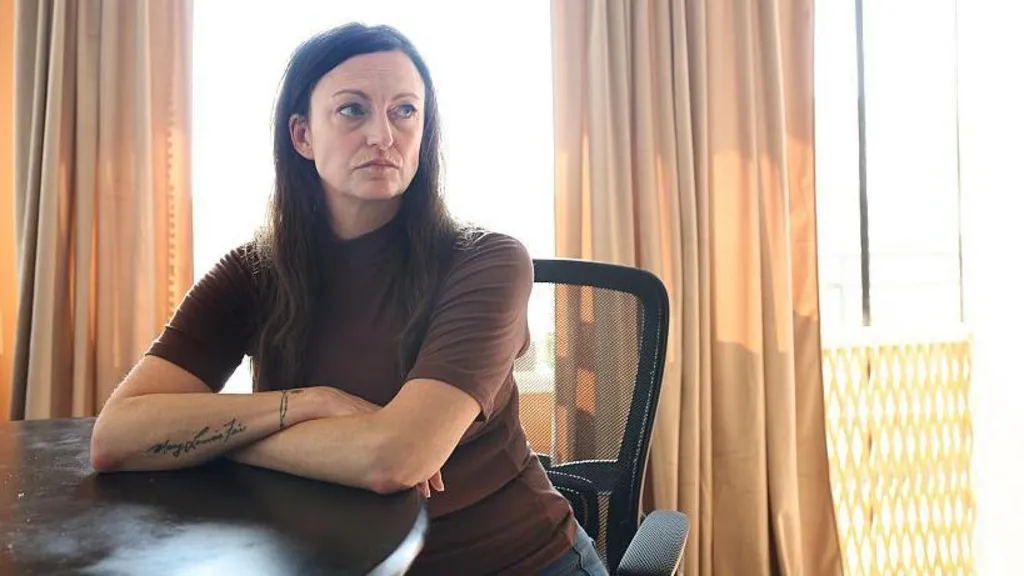
A Toronto woman living with severe mental illness is asking Canadian courts to allow her access to medically assisted dying, reigniting debate around the country’s euthanasia laws and mental health care system.
Claire Brosseau, a 49-year-old performer and former stand-up comedian, says she has spent decades battling debilitating bipolar disorder and post-traumatic stress disorder while undergoing extensive psychiatric treatment across North America.
According to Brosseau, she has tried nearly every available treatment option over the past three decades, including behavioural therapy, medication, and electroconvulsive therapy, commonly known as electric shock treatment.
Despite years of medical care, she says her condition has continued to worsen to the point where she can no longer work, leave her home regularly, or maintain normal communication with loved ones.
Brosseau described herself as “functionally terminal” and said she currently participates in a specialized psychiatric care program in Toronto designed for individuals with severe and persistent mental illness who have exhausted all treatment options.
Canada legalized medically assisted dying, widely known as MAID, in recent years for eligible patients suffering from serious physical illnesses. However, the law currently does not permit access solely on the basis of mental illness.
The Canadian government had planned to expand MAID eligibility to people suffering exclusively from severe, treatment-resistant mental disorders, but implementation has already been delayed twice amid concerns that healthcare systems and safeguards may not yet be fully prepared.
The issue remains deeply controversial across Canada, with critics warning about ethical concerns surrounding mental illness, patient vulnerability, and whether psychiatric suffering can truly be considered irremediable.
Supporters argue that people experiencing unbearable and untreatable psychological suffering should have the same legal rights as those facing terminal physical conditions.
Brosseau says she can no longer continue living with constant emotional pain and fear. She stated that she wants what she describes as a “safe death” rather than being forced toward a traumatic or dangerous alternative.
As Canada continues debating the future of assisted dying laws, Brosseau has now petitioned an Ontario court to exempt her from current restrictions and grant her access to MAID before any national legal changes take effect.
The case is expected to intensify discussion about mental health treatment, patient autonomy, and the ethical boundaries of medically assisted dying legislation.

0 Comments