
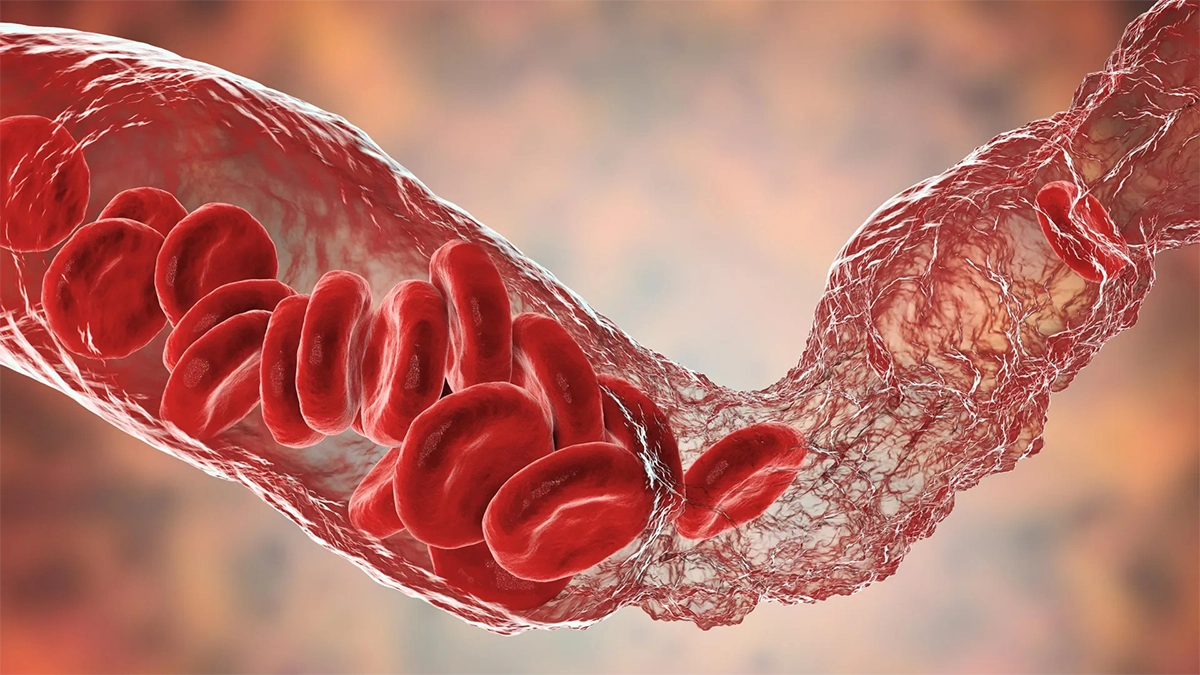
Scientists have uncovered the exact mechanism behind rare blood clotting cases linked to certain COVID-19 vaccines and adenovirus infections.
The research, led by Flinders University with international collaborators, explains how the immune system can mistakenly attack a normal blood protein. This discovery marks a major step forward in understanding a condition known as vaccine-induced immune thrombosis (VITT).
Researchers identified a key “molecular mimicry” that triggers the rare reaction.
As a result, scientists now have a clear explanation for a side effect that remained poorly understood during the pandemic.
🧬 Immune System Confusion Triggers Clotting
The study found that the immune system can confuse a viral protein from adenovirus-based vaccines with a human blood protein called platelet factor 4 (PF4).
This confusion causes the body to produce antibodies that activate platelets, leading to abnormal clot formation.
Although this reaction occurs in extremely rare cases, identifying the trigger is crucial. Therefore, researchers can now explain why only a small number of individuals develop this condition.
Moreover, this mechanism mirrors other known immune-related clotting disorders, which helps guide diagnosis and treatment.
🔬 Years of Research Lead to Discovery
The breakthrough builds on several years of international research into VITT.
Earlier studies had already identified harmful antibodies targeting PF4 and even linked the condition to specific genetic factors. However, scientists lacked a complete explanation of how the process began.
Now, using advanced mass spectrometry techniques, researchers identified the exact molecular interaction between viral proteins and PF4.
Consequently, this study provides the missing link that connects previous findings into a complete scientific explanation.
🌍 Evidence From Vaccines and Infections
Importantly, researchers found that the same immune reaction can occur after natural adenovirus infections, not just vaccination.
Studies showed that antibodies in both cases were nearly identical, confirming that the adenovirus itself plays a central role.
This finding helped rule out other vaccine components as the cause. Therefore, the focus shifted toward understanding how viral proteins interact with the immune system.
In addition, this evidence strengthens confidence in vaccine safety by clarifying that the reaction is rare and biologically specific.
💉 Safer Vaccines Now Possible
One of the most important outcomes of this research is its potential to improve vaccine design.
Scientists say developers can now modify or remove the specific adenovirus protein responsible for triggering the immune response.
As a result, future vaccines can maintain effectiveness while reducing the already rare risk of clotting.
Experts have described the discovery as a major milestone in vaccine science, as it directly translates into practical improvements.
📊 Impact on Global Health and Research
The findings are expected to influence both vaccine development and public health strategies.
Clear scientific explanations can help reduce misinformation and improve public confidence in vaccines. At the same time, healthcare providers can use this knowledge to identify and treat rare cases more effectively.
Moreover, the study demonstrates how global collaboration can solve complex medical challenges. It also sets a foundation for future research into immune-related conditions.
🔍 Future Research Directions
Researchers will now focus on applying these findings to next-generation vaccines and treatments.
Further studies may explore whether certain individuals have a higher risk based on genetic or biological factors. Therefore, personalised approaches to vaccination could become possible.
For now, the discovery provides a strong scientific basis for improving safety while maintaining the benefits of vaccination.

0 Comments