
An Oxford University historian says the debate over church-to-mosque conversions distracts from a far bigger issue. According to Reverend Canon Professor William Whyte, the real crisis involves funding shortages that threaten thousands of churches across the UK.
His comments followed a policy announcement by Reform UK, which pledged to end what it described as the “incendiary practice” of converting churches into mosques or other places of worship. However, Professor Whyte said the focus on conversions exaggerates a very small phenomenon.
📉 Conversions Represent a Tiny Fraction
Over the past 50 years, tens of thousands of churches have closed in the UK. Many were demolished. Others became homes, shops, or community venues. In contrast, only around two dozen churches have become mosques.
Therefore, Whyte argues that political attention on mosque conversions does not reflect the scale of closures. Instead, the debate highlights the symbolic value many people attach to church buildings, even if they rarely attend services.
🏛️ Churches Serve Broader Community Roles
Church buildings often play multiple roles in local communities. Some serve as heritage landmarks. More than 21,000 churches hold listed status because of their historic and architectural importance. In addition, many provide space for childcare, post offices, or social events.
Consequently, when churches close, communities lose more than a religious venue. They lose a shared public space. In many rural areas, the church may be the only remaining communal building.
Because of this wider role, Whyte says the conversation should focus on preservation and sustainability rather than symbolic disputes.
💷 Funding Crisis Drives Closures
This week, the UK government confirmed that a funding scheme for listed places of worship had exhausted its budget. According to Whyte, this funding shortfall represents the true crisis.
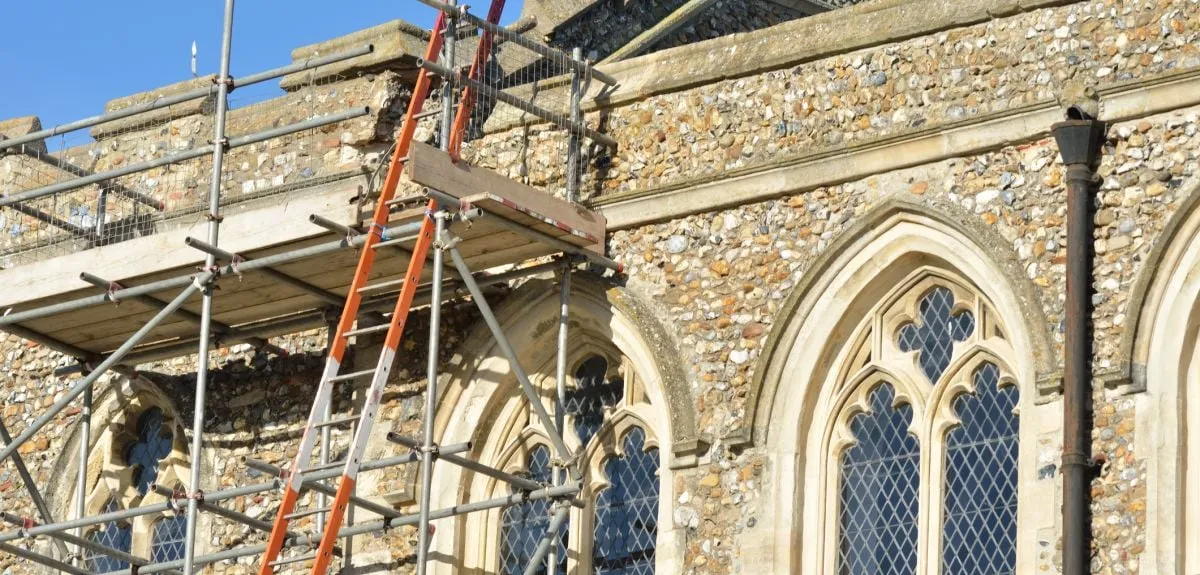
Church congregations often struggle to maintain historic structures. Repairs can cost large sums. Heating and upkeep also require steady income. Meanwhile, attendance has declined in many areas. As a result, congregations face mounting financial pressure.
Therefore, Whyte argues that policymakers should prioritise sustainable funding models. Without support, historic churches risk decay or permanent closure.
📊 Changing Patterns of Worship
Whyte also noted that many churches were built for populations and purposes that no longer exist. Medieval buildings once reflected political and social authority. Today, demographic shifts and cultural changes have altered attendance patterns.
Because communities have changed, some buildings no longer match local needs. However, that does not reduce their cultural or historical value. Instead, it highlights the need for creative reuse and stable funding.
🔎 Reframing the Public Debate
Whyte urges the public to look beyond headlines. Although church-to-mosque conversions attract attention, they affect very few buildings. Meanwhile, funding shortages threaten thousands.
If leaders focus on sustainability, communities can preserve important heritage sites. In contrast, continued political focus on rare conversions risks overshadowing the deeper financial challenge.
Ultimately, Whyte stresses that church buildings hold national significance. Therefore, the long-term priority should involve ensuring these structures remain viable, regardless of how they serve future generations.

0 Comments