
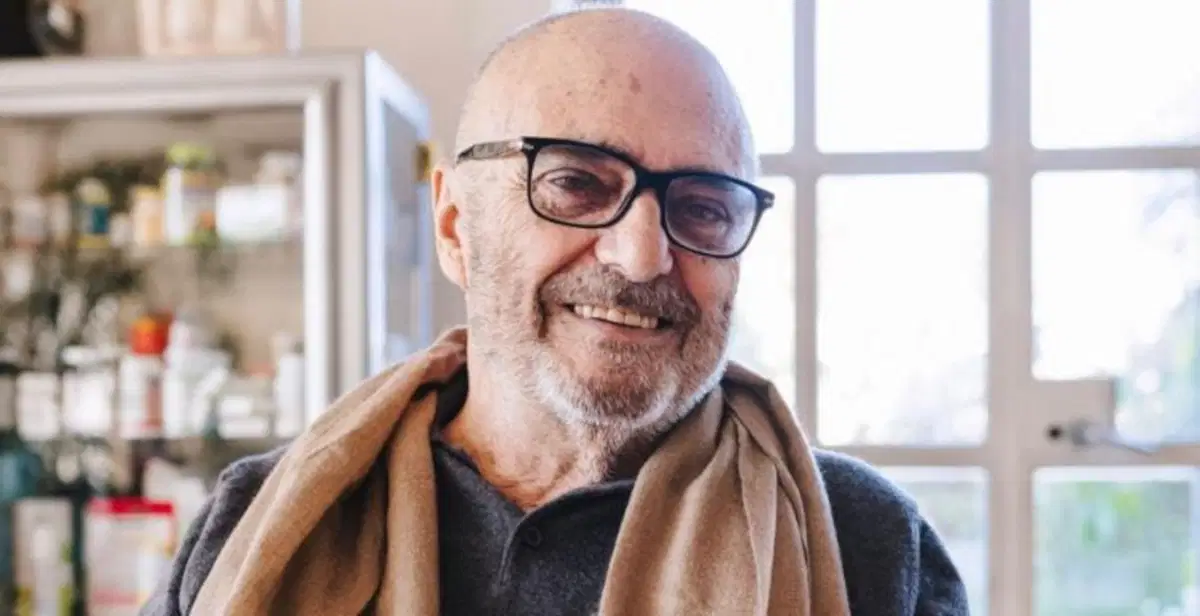
Giancarlo Politi, the founder of Flash Art magazine, has died at the age of 89. His death marks the end of a defining chapter in contemporary art publishing. For decades, Politi influenced how artists, critics, and collectors engaged with modern art discourse.
Politi launched Flash Art in 1967 in Rome. Soon after, he moved the publication to Milan. From the beginning, he positioned the magazine at the centre of the emerging contemporary art scene. As a result, it quickly gained international recognition.
Meanwhile, Politi expanded the publication beyond Italy. He later introduced an English-language edition, which significantly increased its global reach. Consequently, Flash Art became a major reference point for artists and curators worldwide.
🌍 Building an International Art Platform
Politi did more than publish a magazine. He created a platform that connected artists across continents. Therefore, Flash Art regularly featured interviews, criticism, and commentary on avant-garde movements.
Throughout the 1970s and 1980s, the magazine documented critical shifts in contemporary art. In addition, it highlighted experimental practices that many mainstream publications overlooked. Because of this editorial direction, Flash Art earned respect among influential art circles.
Politi also founded the Flash Art International edition. This move strengthened the magazine’s presence in the United States and beyond. At the same time, he ensured the publication remained deeply connected to European artistic developments.
🖼️ Championing Emerging Artists
Politi consistently supported emerging talent. He believed that contemporary art required bold platforms. Therefore, he often spotlighted artists early in their careers.
Over time, many artists who appeared in Flash Art gained international acclaim. His editorial approach shaped conversations around conceptual art, minimalism, and other transformative movements. Moreover, he encouraged critical debate rather than passive reporting.
“Flash Art was not just a magazine. It was a voice in contemporary art.”
Through interviews and essays, Politi allowed artists to define their own narratives. Consequently, readers gained direct insight into evolving artistic philosophies.
📚 Expanding Beyond Publishing
In addition to publishing, Politi organised exhibitions and cultural initiatives. These projects strengthened the connection between criticism and practice. Furthermore, they reinforced Milan’s role in the global art ecosystem.
He also launched art fairs under the Flash Art brand. As a result, he expanded his influence beyond print media. These initiatives demonstrated his commitment to building sustainable art networks.
Even as media landscapes shifted, Politi maintained the magazine’s relevance. Therefore, Flash Art continued to document major developments in contemporary art.
🏛️ A Lasting Legacy in Art Journalism
Giancarlo Politi leaves behind a publication that shaped generations of artists and critics. His work defined how contemporary art circulated in print during a transformative era.
Although publishing evolved in the digital age, his foundational model remains influential. Moreover, his editorial vision continues to guide discussions about global contemporary art.
For decades, Politi stood at the intersection of art, criticism, and publishing. Consequently, his legacy extends far beyond a single magazine issue. The impact of Flash Art reflects his long-standing commitment to artistic dialogue.
His death closes a significant chapter in art journalism. However, his influence remains visible in contemporary art publishing worldwide.

0 Comments