
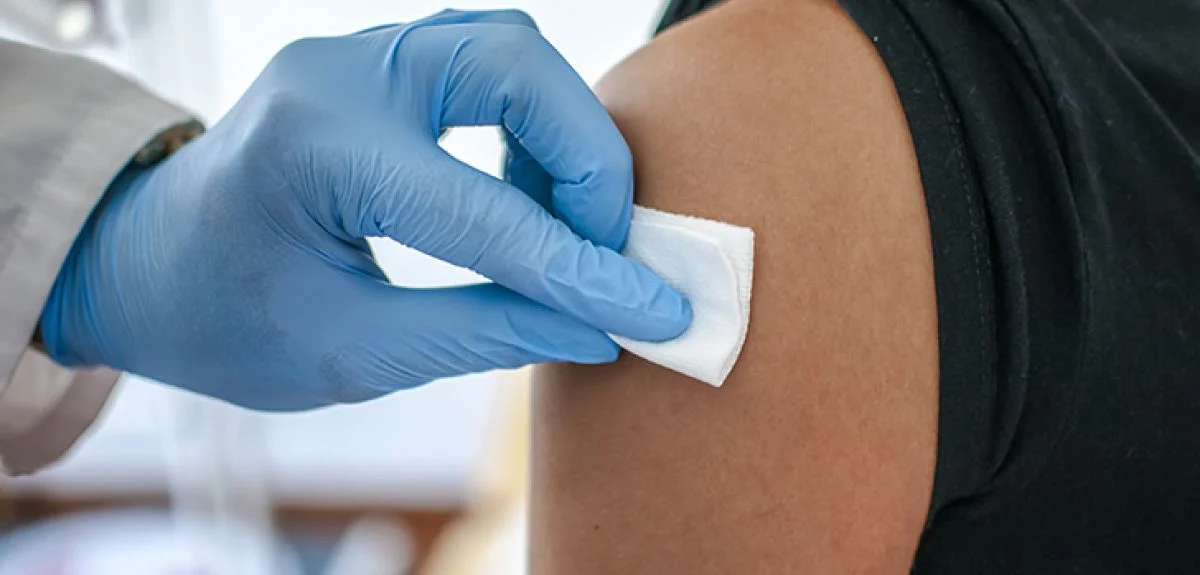
Researchers at the University of Oxford found that receiving a COVID-19 vaccine during pregnancy may lower the risk of developing preeclampsia, a serious condition that causes high blood pressure in expectant mothers. The findings provide important insight into maternal health and vaccine benefits.
The study analysed health data from pregnant women across several regions. It showed that women who received a COVID-19 vaccine during pregnancy had significantly lower rates of preeclampsia compared with those who did not get vaccinated. Moreover, the protective effect appeared strongest when vaccines were administered in the second or third trimester.
🤰 What Preeclampsia Is
Preeclampsia is a condition marked by high blood pressure and signs of organ stress, such as kidney or liver dysfunction, that can occur after the 20th week of pregnancy. It remains a leading cause of preterm birth and maternal complications worldwide. Early detection and prevention can improve outcomes for both mother and baby.
📊 Key Study Findings
The research team, led by Oxford epidemiologists, compared outcomes between women who did and did not receive COVID-19 vaccination during pregnancy. They found that the vaccinated group consistently showed a lower incidence of preeclampsia and related complications. This trend held true even after researchers adjusted for age, health history and demographic factors.
In addition, women who completed a full vaccination schedule before pregnancy appeared to have less pronounced protection. In contrast, those who received vaccine doses during pregnancy itself had clearer links to reduced risk.
Researchers believe that the strengthened immune response during pregnancy may help mediate this effect. As a result, vaccination could offer both infection prevention and maternal health benefits.
🧪 Why the Findings Matter
The findings matter because preeclampsia affects thousands of pregnancies each year. Despite ongoing research, effective strategies for preventing the condition remain limited. If vaccination can reduce risk, this insight could influence public health recommendations and prenatal care guidance.
According to the Oxford team, the study does not suggest that vaccines directly cure preeclampsia. Instead, the data indicate that immune modulation linked to vaccination may influence pathways related to preeclampsia development.
🧠 Research Implications
Further work is needed to understand the biological mechanisms behind this protective effect. Scientists say studies that track immunological markers throughout pregnancy could help explain how vaccination interacts with maternal physiology.
In addition, the team hopes to explore whether different vaccine types and timing strategies influence outcomes. They also plan to evaluate whether similar protective effects occur with other maternal infections and vaccinations.
🩺 Public Health Perspective
Public health experts emphasise that this study supports the safety and potential benefits of COVID-19 vaccination during pregnancy. Health authorities have already recommended vaccination to reduce severe disease and complications from COVID-19 in pregnant people. These new findings add another dimension to the discussion.
However, researchers caution that vaccination is one part of comprehensive prenatal care. Expectant mothers should continue routine check-ups and follow medical guidance on nutrition, blood pressure monitoring, and risk assessment.

0 Comments