
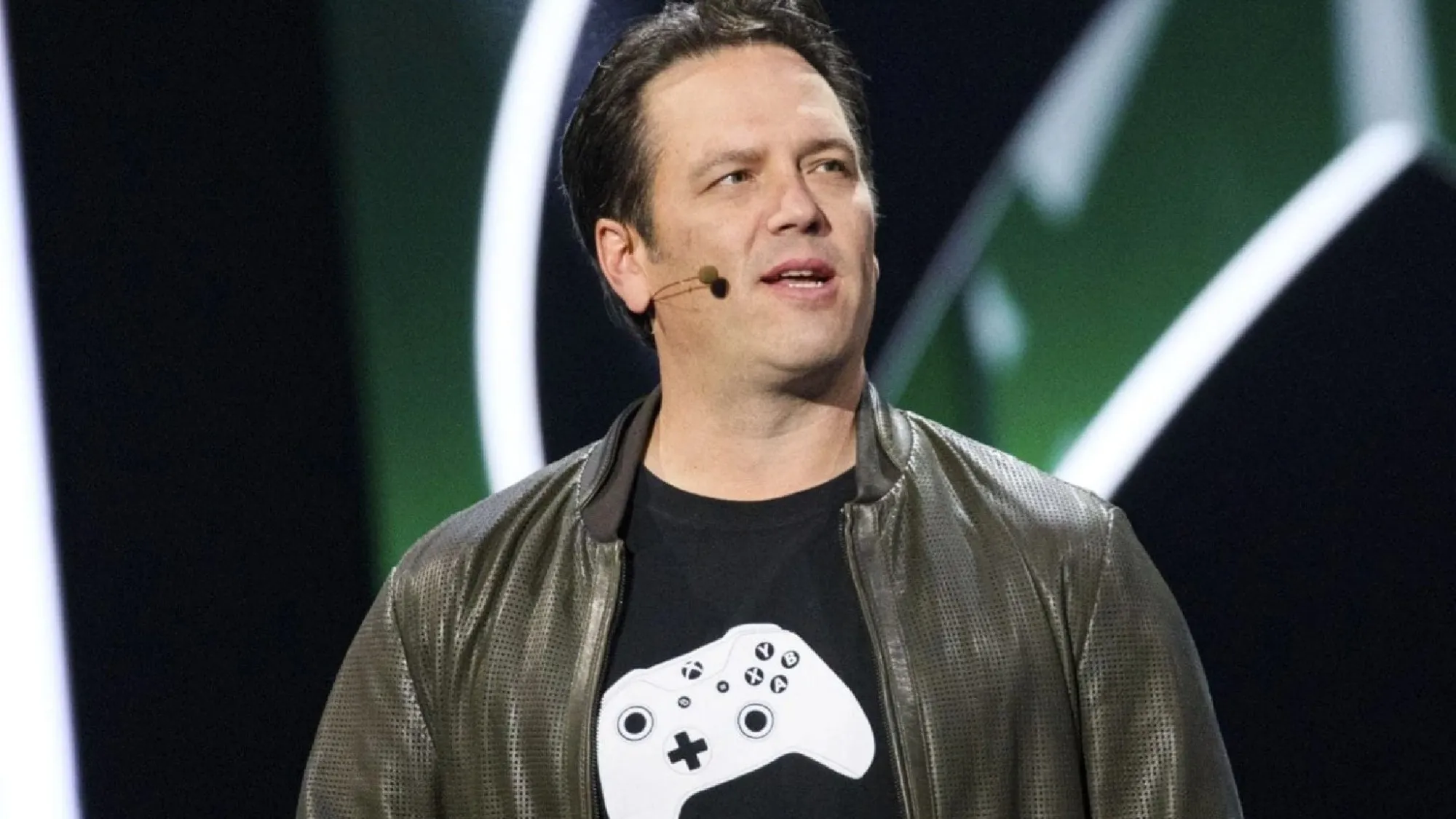
Microsoft has announced that Phil Spencer, the long-time head of its gaming division, is retiring after a 38-year career at the company. Spencer’s departure marks one of the biggest leadership changes in the company’s gaming arm in decades. Moreover, Microsoft says he will stay on in an advisory role through summer 2026 to support the transition.
In his place, Microsoft has appointed Asha Sharma as the new executive vice president and CEO of Microsoft Gaming. Sharma previously led AI product development at Microsoft and aims to steer the gaming division through a time of rising costs, intense competition and shifting consumer demand.
🎮 Leadership Change and Purpose
Spencer has been a central figure in Microsoft’s gaming strategy for years. Under his leadership, the business expanded significantly through major acquisitions, including the 2023 purchase of Activision Blizzard. However, Microsoft’s gaming revenue fell about 9.5 % in the latest quarter, highlighting persistent market challenges.
The company has faced cost pressures in hardware pricing and strong competition from Sony’s PlayStation. Meanwhile, consumer spending in games has remained uneven. Therefore, Microsoft sees fresh leadership as a way to adapt and refocus priorities in a competitive landscape.
📊 Asha Sharma’s Role and Vision
Sharma has been with Microsoft since 2024, after holding senior roles at Meta and Instacart. She will now lead the gaming division and report directly to CEO Satya Nadella. Sharma says she intends to renew focus on the Xbox platform and “recommit to our core Xbox fans and players.”
In addition, Microsoft elevated Matt Booty to executive vice president and chief content officer. Booty will oversee game content and studio operations, reporting directly to Sharma. At the same time, Sarah Bond, the president and COO at Xbox, is leaving the company as part of the broader leadership transition.
⚖️ Industry and Internal Context
Microsoft’s gaming division has undergone significant shifts in recent years. While acquisitions broadened the company’s portfolio, industry competition and hardware costs pressured revenue growth. Therefore, this leadership change comes at a critical moment for the division.
Analysts say the changes reflect the evolving role of artificial intelligence in gaming and content development. Because AI increasingly shapes tools and experiences in the industry, Microsoft appears intent on boosting its leadership with executives experienced in tech innovation and product scaling.
Spencer’s long tenure included overseeing the growth of Xbox Game Pass, expanding Microsoft’s presence in cloud gaming and leading the company through major strategic deals. However, amid slower revenue trends and shifting market conditions, the transition signals a new era for the gaming business.
🔎 What Happens Next
For now, Spencer will remain involved as an advisor while Sharma and her team take full leadership. Observers in the tech and gaming industries will be watching how the new leadership executes strategy amid evolving consumer trends and competitive dynamics. Meanwhile, Microsoft continues to invest in franchises, game content and technological innovation to maintain its footprint in the global gaming market.

0 Comments