
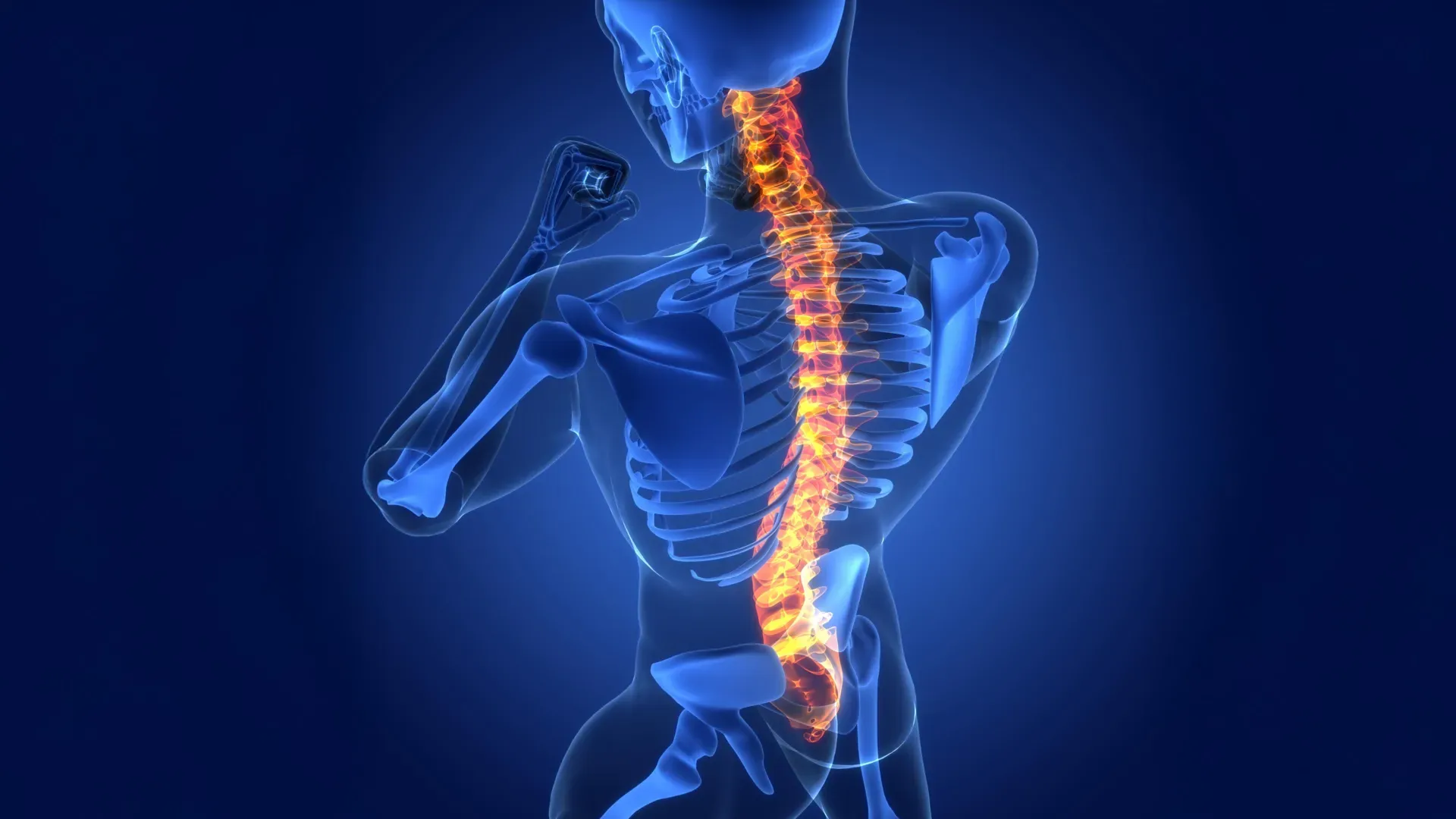
Scientists have identified a previously unknown biological repair system that may help treat spinal cord injuries, stroke and multiple sclerosis. The discovery focuses on special support cells in the nervous system that activate after injury and help trigger healing.
Researchers at Cedars-Sinai Medical Center led the study, which was published in Nature. Their findings reveal a surprising role for astrocytes, a major type of support cell in the brain and spinal cord.
🧠 Discovery of hidden repair cells
The research team identified a unique group of astrocytes located far from injury sites. Scientists named these cells lesion-remote astrocytes (LRAs).
These cells can detect spinal cord damage from a distance and respond by supporting tissue repair. Researchers also identified several distinct subtypes of these astrocytes.
Scientists discovered astrocytes “far from the site of an injury” help repair the spinal cord.
The finding challenges previous assumptions about how the nervous system responds to injury.
🔬 How the spinal cord reacts to injury
When spinal cord injuries occur, nerve fibres tear and create debris. This damage can lead to paralysis and disrupt sensations such as touch and temperature.
Unlike other tissues, inflammation in the spinal cord spreads beyond the original injury site. This happens because nerve fibres extend across long distances.
Therefore, scientists wanted to understand how the body manages widespread damage.
🧪 Protein signal boosts immune cleanup
The researchers found that one subtype of LRA cells produces a protein called CCN1. This protein sends signals to immune cells known as microglia.
Microglia act as the nervous system’s cleanup crew. They remove debris from damaged nerve fibres. However, this debris is fatty and difficult to digest.
The study showed that CCN1 helps microglia change their metabolism, allowing them to digest debris more efficiently.
Removing astrocyte CCN1 reduced healing significantly.
Without the protein, debris built up and inflammation increased, which slowed tissue repair.
🧬 Evidence from human patients
The team studied mice with spinal cord injuries and observed strong repair effects. They also examined spinal cord tissue from people with multiple sclerosis and found the same repair process.
This suggests the mechanism may apply broadly to brain and spinal cord injuries.
Scientists believe the discovery could explain why some patients experience partial spontaneous recovery after spinal cord injury.
🌍 Potential impact on neurological diseases
Researchers believe the CCN1 pathway may offer new treatment opportunities. The findings suggest it could help limit chronic inflammation and improve recovery after neurological damage.
The research team is now exploring ways to harness this pathway to improve spinal cord healing. They are also studying its potential role in aging and neurodegenerative diseases.
🔭 A new direction for medical research
Scientists say astrocytes have been understudied in nervous system healing. This discovery highlights their importance in regeneration and recovery.
The research opens new possibilities for therapies aimed at improving neurological recovery and reducing long-term disability.

0 Comments