
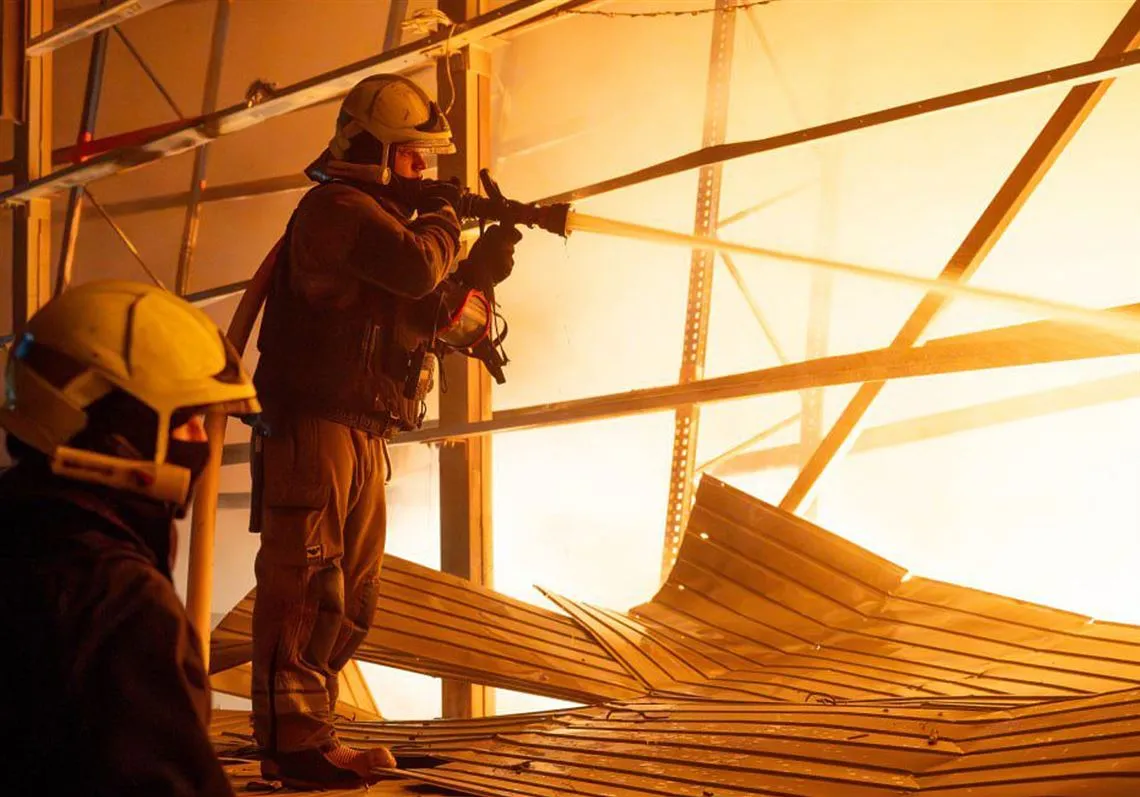
Ukraine is bracing for some of its coldest winter weather in years, even as uncertainty grows about a temporary pause in Russian attacks on the country’s infrastructure. The frigid temperatures are expected to stretch into next week, bringing hardship to civilians who already struggle with limited power and heating supplies.
Meanwhile, Donald Trump, the President of the United States, said that Vladimir Putin agreed to halt attacks on Ukraine’s power grid and some cities for one week. However, Russian officials have not clearly confirmed the duration or scope of this pause.
Several regions in Ukraine, including major cities, have faced repeated attacks that damaged energy infrastructure. Because of this, residents have endured outages and rising risk from the severe cold. Forecasts suggest temperatures could plunge to around -30°C in some areas, increasing pressure on emergency services and power systems.
🛡️ Unclear Terms of the Temporary Pause
Trump said late Thursday that he personally asked Putin to agree to a pause in attacks to help civilians cope with extreme cold. He noted this request was made during government discussions, but he did not specify when the call took place or when the pause would begin.
As of now, the Kremlin has not fully confirmed that Putin agreed to the pause. Officials have acknowledged Trump’s request in general terms, but they have not outlined the exact terms of any halt in strikes. This has left uncertainty among Ukrainian leaders and citizens alike.
Ukrainian President Volodymyr Zelenskyy has welcomed dialogue while remaining cautious. He said he appreciated any reduction in attacks but stressed that reliable information about the pause is needed before the situation can be fully assessed.
⚡ Impact of Continued Hostilities
Despite the claimed pause, attacks on Ukraine’s infrastructure have continued in other forms. Reports indicate that Russian drones and missiles struck targets in multiple regions overnight. In some areas, residential buildings, logistics networks, and city districts have been hit, causing casualties and further disruption.
Energy shortages remain a pressing concern. Power grid instability has left many areas without heat or electricity, increasing risks as temperatures plummet. Emergency services are stretched thin, and local authorities continue to work to keep essential services running.
In addition, Ukrainian forces have said they would consider reducing their own attacks on Russian energy infrastructure if Moscow honors any agreed pause on grid strikes. This reciprocal understanding depends on clear and observable halts in bombardment.
🌍 Humanitarian Conditions Amid Extreme Cold
Civilian populations across Ukraine face growing hardship due to the combination of war, infrastructure damage, and extreme winter weather. Cold conditions increase the risk of hypothermia and place further strain on health systems. At the same time, families struggle to secure adequate heating and shelter in affected regions.
Because energy facilities have been frequent targets, repair crews are working under dangerous conditions to restore services. Authorities have warned that more outages and cold-related emergencies could emerge if severe weather continues.
📊 International Responses and Debate
World leaders and analysts have weighed in on the announcements and reported pauses. Supporters of the temporary halt say any reduction in attacks could give civilians necessary breathing room during extreme weather. Meanwhile, critics and some experts caution that short pauses do not replace sustained peace efforts and may not fully ease the suffering of those impacted by conflict.
Some international voices also stress that clear, verified commitments are essential before any real progress can occur. Meanwhile, negotiations and diplomatic efforts continue amid these challenging conditions.

0 Comments