
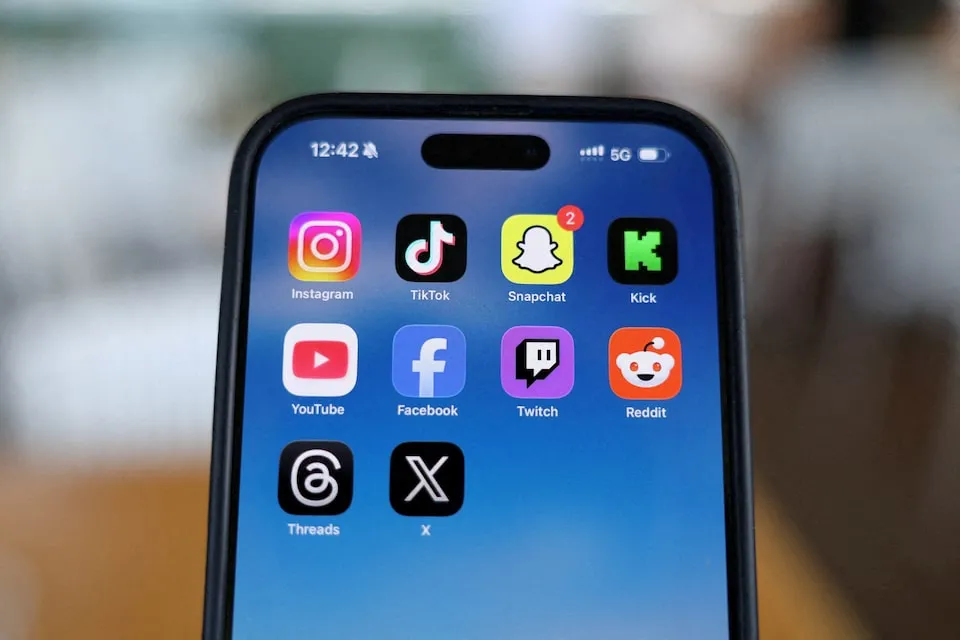
A lawmaker allied with Prime Minister Narendra Modi has proposed a plan to ban social media use for teenagers under the age of 16. The proposal aims to address concerns about online safety, mental health, and exposure to harmful content among young users. However, it has also ignited a broader debate about personal freedoms and regulatory limits in the digital age.
The lawmaker introduced the measure during a parliamentary session in New Delhi. He said that unrestricted access to social platforms could harm adolescents and that stricter rules are needed to protect them.
The proposal argued that early and unsupervised social media use poses risks to emotional well-being and academic focus.
Supporters of the idea say it would encourage healthier habits among youth and reduce exposure to harmful influence online. They also say that clearer rules can guide parents and educators in protecting children.
🌍 Broad Debate Over Youth Safety and Rights
Critics of the proposed ban argue that it could infringe on personal freedoms and limit access to information and expression. They warn that such rules may set a precedent for wider restrictions on online speech and behaviour.
Meanwhile, online safety advocates have offered mixed responses. Some say that technology companies should enforce stronger age verification and content moderation. Others argue for more digital literacy training rather than outright bans.
At the same time, parents and educators have expressed concerns about the mental health and safety of young people online. They note that social media platforms can expose children to cyberbullying, inappropriate content, and addictive use patterns.
Therefore, the debate now centres on how best to balance protection with freedom in a digital society.
🇮🇳 Government and Legal Considerations
The proposal does not yet have legal force. It must move through legislative review and must pass multiple stages in Parliament before becoming law. Lawmakers will debate the measure’s merits and implications in upcoming sessions.
In addition, any proposed law must align with constitutional protections, including freedom of expression. Legal experts have already weighed in, noting that courts may review any restrictions to ensure they do not violate fundamental rights.
Because of this, the proposal faces uncertainty even as it draws attention from policymakers and the public alike.
📊 Global Context on Youth and Social Media Regulation
India’s discussion adds to a wider global conversation about how countries should regulate youth access to social media. Legislators in other nations have also debated age limits, data privacy, and online safety safeguards.
In the past, some countries have enacted rules requiring age verification. Others have focused on improving parental controls, digital literacy, and education about online risks. As a result, experts say there is no single model for balancing protection with freedom.
At the same time, activists and academics stress the importance of including youth voices in discussions that affect their digital experiences.
🧠 Views From Parents and Youth Groups
Reactions among parents and youth groups have varied widely. Some support stronger rules, saying they would help reduce online pressure and distraction. Meanwhile, others caution that restricting access could isolate young people from social engagement and learning opportunities.
Youth advocates have called for a focus on education, counselling, and tools to promote responsible use rather than outright bans. They argue that children should be taught to navigate digital spaces safely and confidently.

0 Comments