
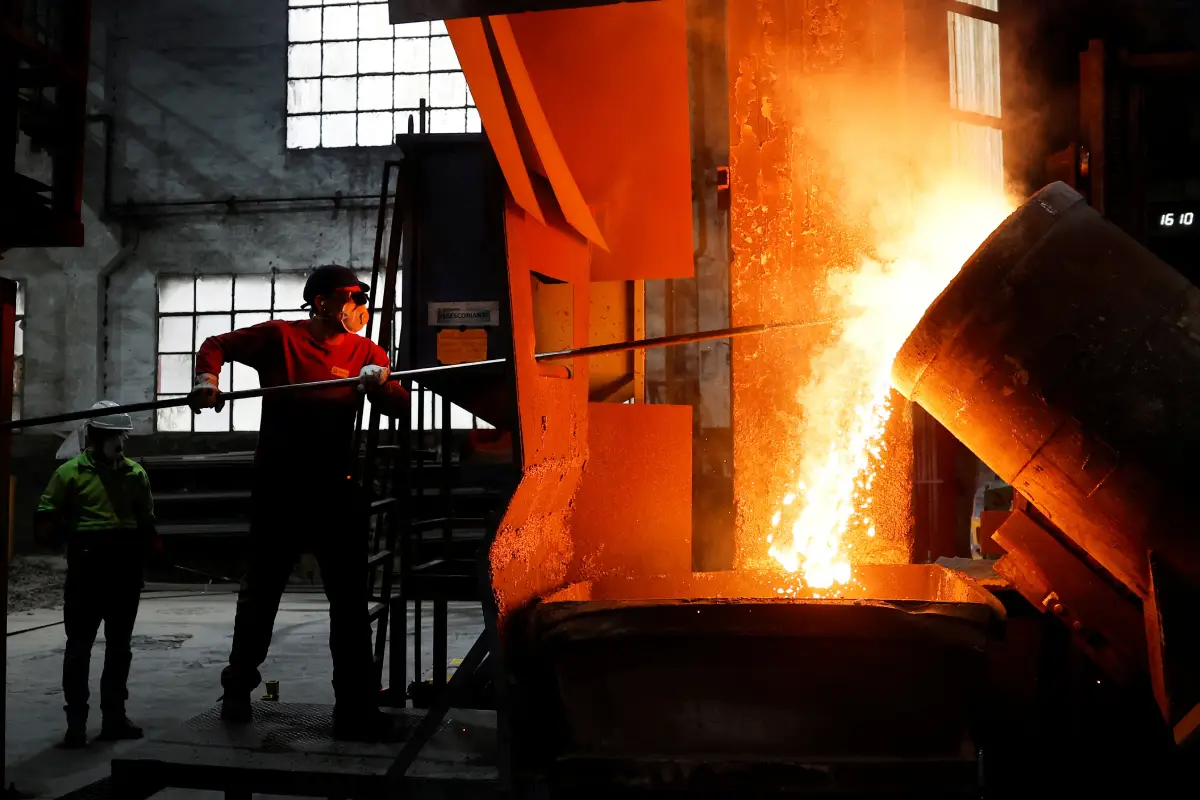
Asia factories end 2025 on a positive note, with manufacturing activity gaining strength in several major economies, Reuters reported. Surveys by S&P Global showed that factory activity in key markets such as South Korea and Taiwan improved in December after several months of contraction.
Officials and economists said rising global demand and a pickup in export orders helped factories finish the year on a firmer footing. This trend gives some industry watchers hope as the region moves into 2026.
🏭 PMIs Show Rebound in Key Economies
Purchasing Managers’ Indexes (PMIs) in Asia showed gains in December. In Taiwan, the PMI reading climbed above the 50 mark, which signals growth after a period of decline. South Korea’s PMI also crossed above 50, indicating expansion for the first time in several months.
Most Southeast Asian nations continued to show brisk factory activity. These readings reflect stronger order books and a more robust production pace compared to earlier in the year.
Manufacturers cited increased export demand, especially for technology products, as a key driver of the rebound. Many companies also reported higher new orders late in the year, pushing overall activity higher.
🌏 China and Other Asian Markets Contribute
China’s factory sector also showed signs of improved activity at the end of 2025. Firms in the world’s second-largest economy saw a turnaround in output and orders, supported by pre-holiday demand and improved market conditions.
Overall, export orders from the region helped lift manufacturing sentiment. Analysts said this trend could build momentum into the first half of 2026. However, they cautioned that external risks like trade headwinds and global economic uncertainty still remain.
📊 Outlook and Broader Implications
A stronger finish to 2025 for Asia’s factories could have broader implications for global trade and economic growth. Asia accounts for a large share of global manufacturing output, and improvements here often signal wider economic momentum.
Export-oriented sectors, such as semiconductors and electronics, have been major contributors to the rebound. These industries have seen rising orders from global buyers and ongoing demand for advanced technology products.
Still, economists say that while the end-of-year strength is encouraging, sustained growth will depend on continued global demand and stable supply chain conditions in 2026.

0 Comments