
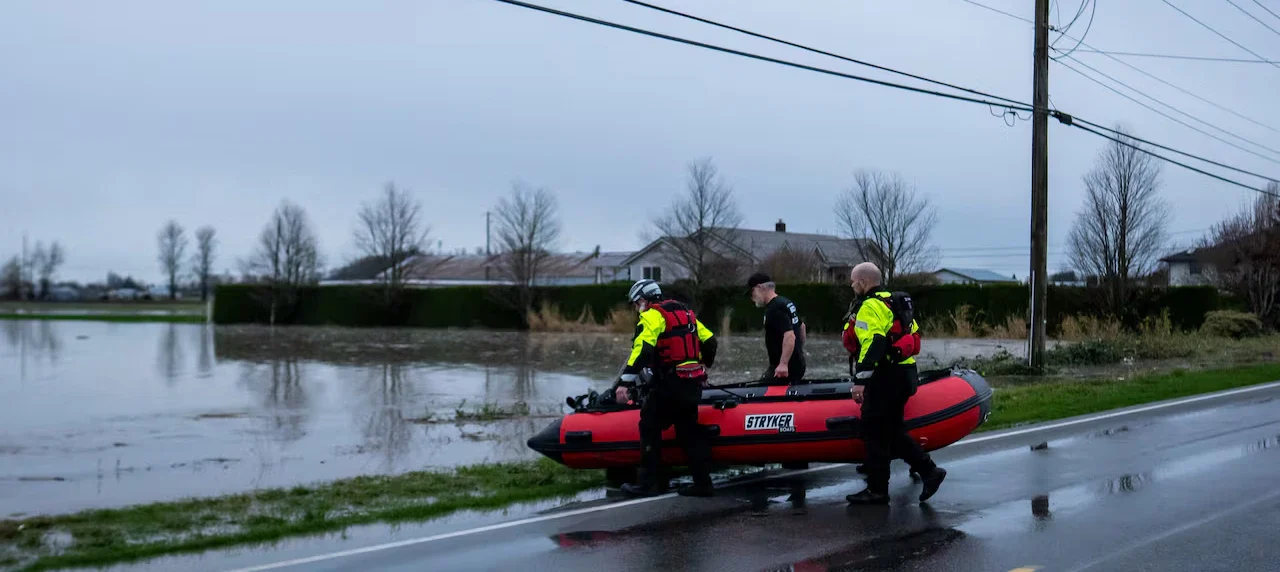
Authorities in Abbotsford, British Columbia, have begun evacuating unhoused people living in flood-prone areas as rising water levels create safety risks. The move comes after heavy rainfall caused flooding in low-lying parts of the city, prompting concerns about access, shelter, and emergency response.
Local officials said the evacuations focus on areas near rivers and drainage channels where water levels rose quickly. Emergency crews worked with outreach teams to encourage people to move to safer locations. The situation remains fluid as weather conditions continue to affect the region.
The Abbotsford floods unhoused evacuations highlight the added challenges faced by vulnerable populations during extreme weather events.
Why Unhoused Residents Are at Higher Risk
Unhoused individuals often live in areas most exposed to flooding, including riverbanks, ditches, and wooded lowlands. As water levels rise, these locations become dangerous within a short time.
Officials cited several risks:
- Rapidly rising water with little warning
- Limited mobility for people without vehicles
- Loss of personal belongings during evacuations
- Difficulty accessing emergency alerts
Because of these factors, authorities said early evacuation was necessary to prevent injuries and ensure people could be reached before conditions worsened.
Emergency Response and Support Services
City staff, police, and outreach workers coordinated efforts to contact people living outdoors. They offered transportation and directed evacuees to temporary shelters and warming centres.
Emergency officials said shelter spaces were made available specifically for those displaced by flooding. Support services included food, basic supplies, and access to medical care. However, some individuals were reluctant to leave, citing concerns about separation from belongings or pets.
Despite these challenges, officials said the priority was safety. Outreach teams continued returning to affected areas to ensure no one was left behind.
Weather Conditions and Flood Risk
The evacuations followed days of heavy rain across parts of southern British Columbia. Saturated ground and swollen waterways increased the risk of localized flooding, particularly in agricultural and low-lying zones around Abbotsford.
Authorities warned that additional rainfall could worsen conditions. As a result, they urged residents — housed and unhoused — to avoid flood-affected areas and follow emergency instructions.
Provincial emergency officials said they are monitoring river levels closely. They also noted that changing weather patterns have increased the frequency of extreme rainfall events.
Broader Concerns for Vulnerable Communities
Advocacy groups say the situation underscores the need for better emergency planning for people experiencing homelessness. During natural disasters, unhoused residents often face barriers to timely information and safe shelter.
Local organizations called for longer-term solutions, including more emergency housing options and clearer evacuation planning. They stressed that climate-related events are becoming more common and require inclusive response strategies.
City officials acknowledged these concerns and said lessons from the current flooding response will inform future planning.
What Happens Next
Emergency crews remain on alert as weather conditions evolve. Authorities said evacuations could expand if flooding spreads to additional areas.
For now, officials continue to encourage cooperation with evacuation orders and remind residents to prioritize safety. Updates will be issued as conditions change.
The Abbotsford floods unhoused evacuations serve as a reminder of how extreme weather can disproportionately affect those with the fewest resources.

0 Comments