
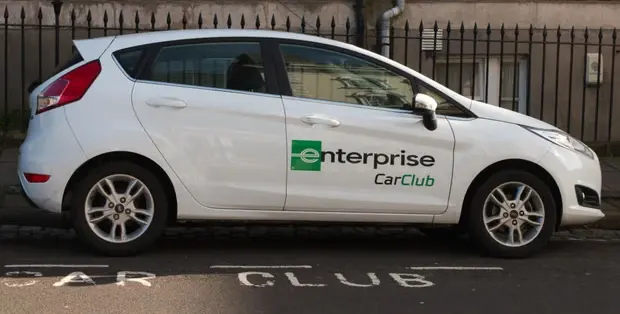
Several car-sharing companies are expanding their operations across London, increasing competition with long-established operator Zipcar. The growth reflects rising demand for flexible vehicle access as residents look to reduce car ownership costs and comply with environmental restrictions. This shift is reshaping the London car sharing market.
Zipcar has operated in the UK capital for more than two decades. However, newer and established rivals are now widening their fleets and coverage areas. As a result, London drivers have more options for short-term car use without the long-term costs of ownership.
The expansion comes as transport habits continue to change. Many residents now prefer app-based rentals that allow vehicles to be booked by the hour or day.
Key Competitors Expanding Across the Capital
Several companies are positioning themselves as strong alternatives to Zipcar. Each offers slightly different pricing models and vehicle access, targeting both private users and businesses.
The main competitors include:
- Free2move, owned by Stellantis, which has expanded its London fleet using a mix of electric and petrol vehicles
- Enterprise Car Club, part of Enterprise Rent-A-Car, which operates thousands of vehicles across multiple boroughs
- Co-wheels, a UK-based cooperative focusing on community car-sharing
- Hiyacar, which allows private car owners to rent out their vehicles when not in use
Together, these firms are increasing pressure in the market. Importantly, many have secured agreements with local councils to access on-street parking bays. This access is critical for visibility and convenience.
Why Demand for Car Sharing Is Growing
Several factors are driving growth in London’s car-sharing sector. Rising living costs, congestion charges, and clean air rules have made private car ownership less attractive. At the same time, public transport patterns have changed since the pandemic.
Car-sharing services allow users to:
- Avoid insurance, maintenance, and tax costs
- Access cars only when needed
- Choose electric vehicles more easily
- Reduce overall traffic and emissions
According to industry figures, shared cars can replace multiple privately owned vehicles. Therefore, city planners increasingly view car-sharing as part of a broader transport strategy.
Zipcar Responds to Increased Competition
Zipcar has acknowledged the growing competition. The company continues to invest in its London operations, including adding more electric vehicles and expanding service areas. It also promotes business accounts and longer-term rental options.
Despite this, rivals argue that increased choice benefits consumers. They say competition leads to better pricing, improved service, and wider coverage. Meanwhile, councils benefit from reduced congestion and lower emissions.
However, challenges remain. Operators must manage rising vehicle costs, parking access, and regulatory requirements. Profitability can also be difficult, especially for smaller providers.
Market Outlook and Economic Impact
The expanding London car sharing market highlights a broader shift in urban mobility. Analysts expect demand to keep rising, particularly among younger users and businesses seeking flexible transport solutions.
From an economic perspective, the sector supports jobs in fleet management, technology, and vehicle maintenance. It also aligns with London’s long-term goals to reduce traffic and emissions.
Overall, the growth of Zipcar’s rivals signals a more competitive and dynamic market. While Zipcar remains a major player, London’s car-sharing landscape is becoming increasingly diverse.

0 Comments