
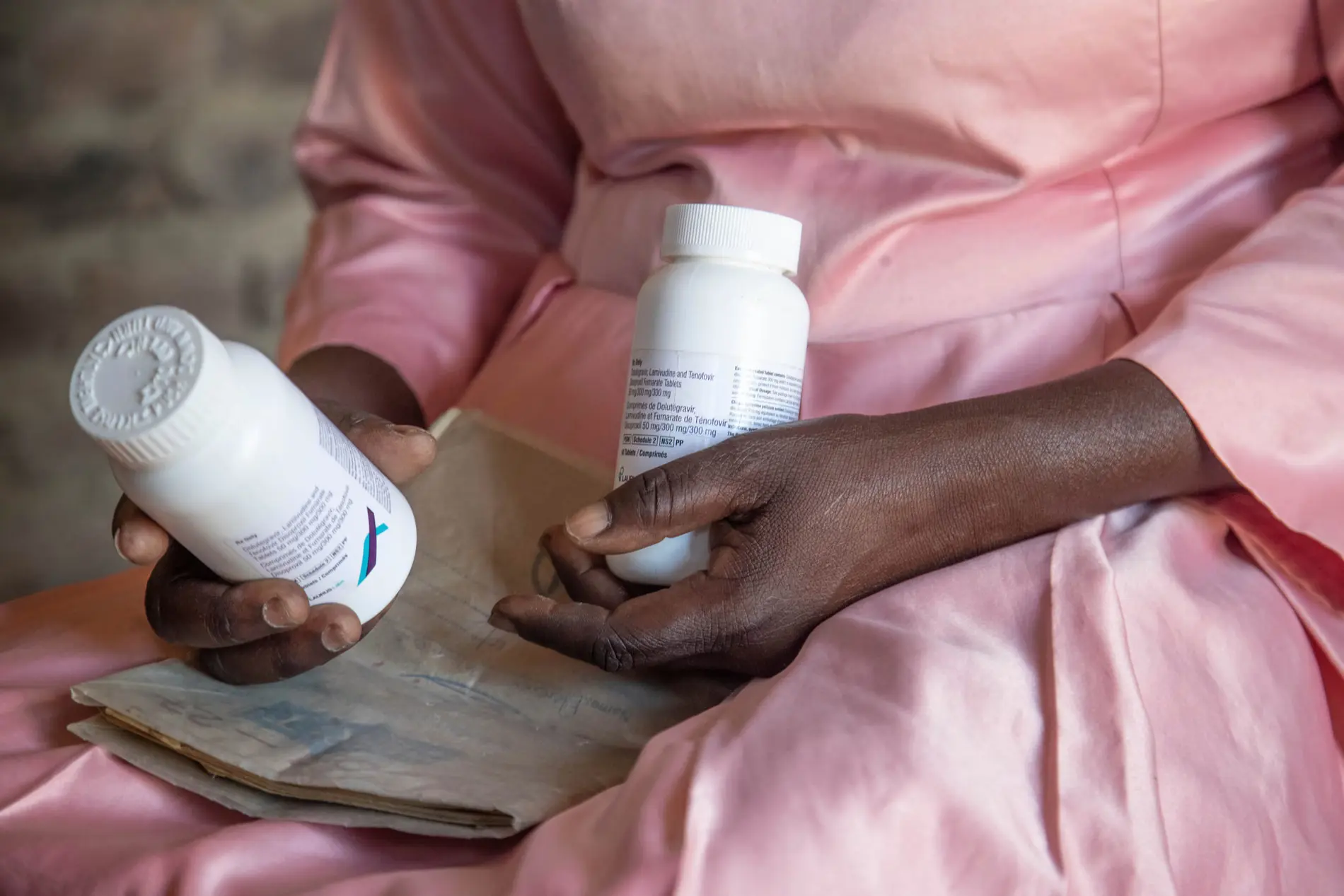
Recent major funding cuts from international donors including the US, UK and other European nations are severely weakening HIV/AIDS prevention and care efforts across many low- and middle-income countries. Clinics have closed, testing kits and preventative drugs are in short supply, and community-led outreach programmes are collapsing — especially those targeting high-risk groups.
In some countries, essential services like pre-exposure prophylaxis (PrEP), condom distribution and voluntary medical male circumcision — all proven tools to curb HIV spread — have been cut drastically. For instance, PrEP access in parts of Africa has fallen sharply amid the funding shortfall.
As a result, health authorities and global agencies warn that the long-term gains made in the fight against HIV could unravel. New data suggests that prevention services will take the hardest hit — and without urgent remedial action, millions more people face heightened risk of infection.
⚠️ Dire Risks: Infections, Deaths, Reversed Progress
According to recent estimates, continued disruption in HIV services could lead to millions of additional infections in the coming years. One report warns that if cuts persist, the global HIV burden may surge dramatically, especially among vulnerable populations.
The reduction of HIV testing capacity alone means many cases may go undiagnosed and untreated. Without early testing and intervention, viral loads in undiagnosed people remain uncontrolled — raising the risk of further spread and increasing chances of disease progression and AIDS-related deaths.
This scenario undermines years of progress in global HIV control. Gains in reducing new infections, mother-to-child transmission, and AIDS-related mortality may be lost — potentially undoing decades of public-health success.
💔 Impact on Vulnerable Groups and Communities
The cuts hit hardest those already at increased risk — sex workers, people who inject drugs, LGBTQ+ populations, adolescents, and young women. Community-based organisations that provided targeted prevention and support for these groups have seen major disruptions, with some forced to shut down completely.
Loss of outreach services and preventive tools can further marginalise these groups. Without accessible prevention, testing, or treatment — and often facing stigma — many may be forced out of care entirely. Experts warn this could worsen inequities in health outcomes globally.
Even countries trying to compensate with increased domestic funding may struggle to fill the massive gap left by international donors. Debt burdens, economic constraints and competing health priorities make rapid scale-up difficult in many regions.
🔎 What Could Help — But Time Is Short
Global public-health organisations argue that urgent international solidarity is needed to avoid a resurgence. They highlight several steps:
- Restoring and increasing funding for prevention, testing and treatment services.
- Strengthening domestic financing in affected countries to reduce reliance on external aid.
- Integrating HIV services into broader health systems to ensure sustainability.
- Supporting community-led organisations and outreach programmes targeting high-risk and marginalised populations.
They also note that new tools — such as long-acting injectable prevention drugs — offer hope. But without stable funding, even these innovations cannot reach the people who need them most.

0 Comments