
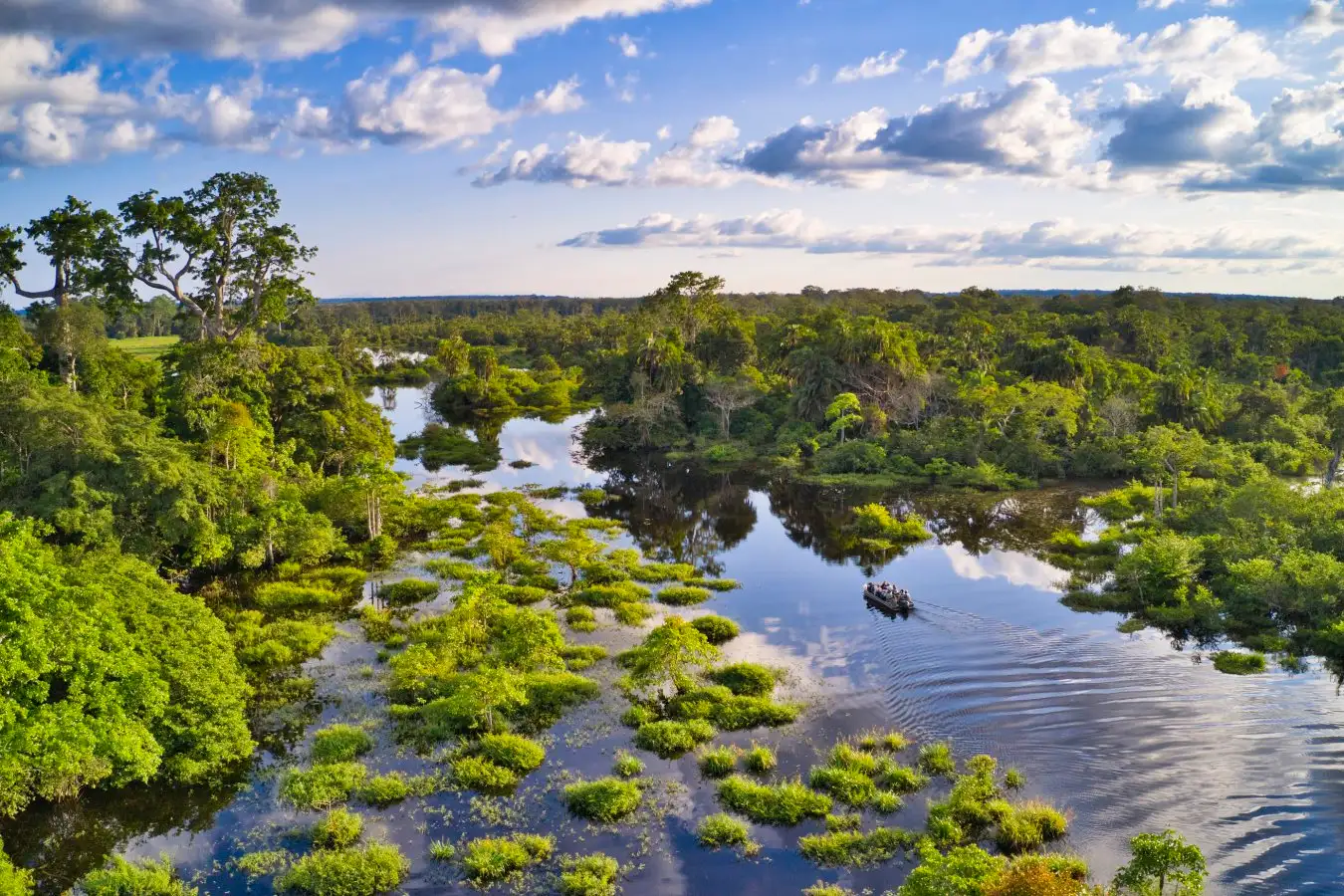
A new study has found that forests across Africa—once vital carbon sinks—are now emitting more carbon than they absorb. This dramatic shift marks a major blow to global climate efforts.
Researchers used satellite data from NASA and Japan’s ALOS radar, combined with machine learning and thousands of ground measurements, to map aboveground forest biomass across the continent. The analysis covered more than a decade of change.
Between 2010 and 2017, African forests lost roughly 106 billion kilograms of biomass per year — roughly equivalent to the weight of 106 million cars disappearing annually.
The losses were especially severe in tropical moist broadleaf forests — notably in regions such as the Democratic Republic of Congo, Madagascar, and parts of West Africa. Gains in savannah and shrubland did little to offset the overall decline.
🔎 Why This Shift Matters
For decades, Africa’s forests were a critical buffer, helping absorb atmospheric CO₂ and moderating global climate. But with this reversal, the world loses one of its most important natural tools to fight climate change. Experts call the findings “a critical wake-up call.”
If forests across Africa become a long-term carbon source, global climate targets — including limiting warming under the Paris Agreement — become significantly harder to meet.
The shift also raises alarms about biodiversity, ecosystem stability, and the livelihoods of millions who depend on forests for food, fuel, and shelter. Forest loss can degrade habitat, reduce rainfall regulation, and intensify environmental stress.
🛑 Drivers Behind the Carbon Flip
The study identifies several human-driven factors behind the change:
- Deforestation for agriculture, timber, mining and infrastructure projects.
- Forest degradation from logging, fuelwood collection, shifting cultivation, and wildfires.
- Loss of old, carbon-rich trees and biomass, which significantly reduces the forest’s ability to sequester carbon over time.
Meanwhile, increases in savannah vegetation and shrubland have proven insufficient to compensate for massive forest biomass loss.
⚠️ What Comes Next — Urgent Global Action Needed
Climate scientists say this trend must prompt immediate global and regional action:
- Strengthened forest protection and enforcement against illegal logging, land-use change, and uncontrolled clearing.
- Large-scale reforestation and restoration programmes to rebuild degraded forests and restore carbon-sequestering capacity.
- Global climate policy adjustments, including increased climate finance and support for forest-rich countries to preserve their ecosystems.
Without such measures, Africa’s forests could continue to accelerate global carbon emissions — undermining decades of progress on climate mitigation.

0 Comments