
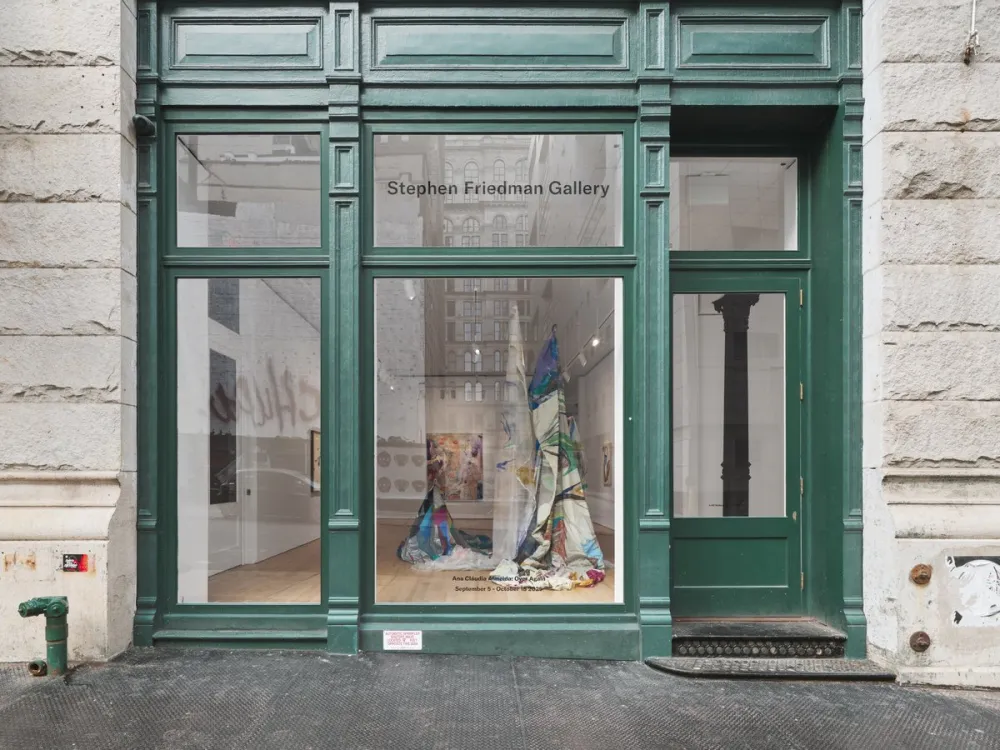
Stephen Friedman Gallery will close its New York space at the end of February 2026. The move ends a short but ambitious two-year chapter for the London-based gallery. It also reflects a strategic shift toward strengthening its home base in Mayfair and building a lighter global footprint.
Stephen Friedman said the dual-city model placed heavy pressure on management and finances. Running two high-quality spaces proved harder than expected. The gallery had also posted losses in 2023, which made expansion more challenging. With the gallery now financially stable again, leadership decided to consolidate operations in London.
🔄 A Strategic Reset
Friedman admitted the gallery may have expanded too quickly. He noted that operating in two major art capitals demanded more structure and oversight than the team could sustain. The gallery’s New York location offered visibility and strong sales opportunities, but the overall workload became unsustainable.
New York’s booming auction season did not change the decision. The city delivered record-breaking sales this month, yet Friedman stressed that the issue was not market demand. Instead, it was the internal strain of managing two separate spaces while maintaining a high standard of programming.
The gallery is not leaving the U.S. entirely. Friedman plans to participate in major American art fairs and may open a small viewing room or office in the future. A full-scale gallery, however, is no longer part of the strategy.
🌍 Shifts in the Global Art Landscape
The decision reflects broader changes in the art market. Several international galleries are reconsidering the cost of operating in New York. High rents, staffing needs and intense competition create challenges even for established names. For some, focusing on fewer—but stronger—locations offers more stability.
Artists represented by the gallery may see changes in how their work reaches U.S. collectors. Exhibitions will appear more often at fairs rather than year-round shows. Digital viewing rooms will also continue to support international audiences.
Friedman believes global growth will come from regions outside the U.S. He sees rising interest in the Middle East, Asia and the Nordic countries. These areas offer new collectors and fresh institutional partnerships. By reducing physical commitments, the gallery aims to stay flexible and responsive to these emerging markets.
🧭 Looking Ahead
London remains the gallery’s foundation. Friedman said the city offers a manageable pace and a strong cultural ecosystem. Returning focus to one main location, he argues, will improve the gallery’s long-term sustainability and allow for deeper engagement with artists.
The closure of the New York branch marks a reset, not a retreat. As the gallery shifts toward fairs and targeted international activity, it signals a new phase that prioritises stability, adaptability and global reach over physical expansion.

0 Comments