
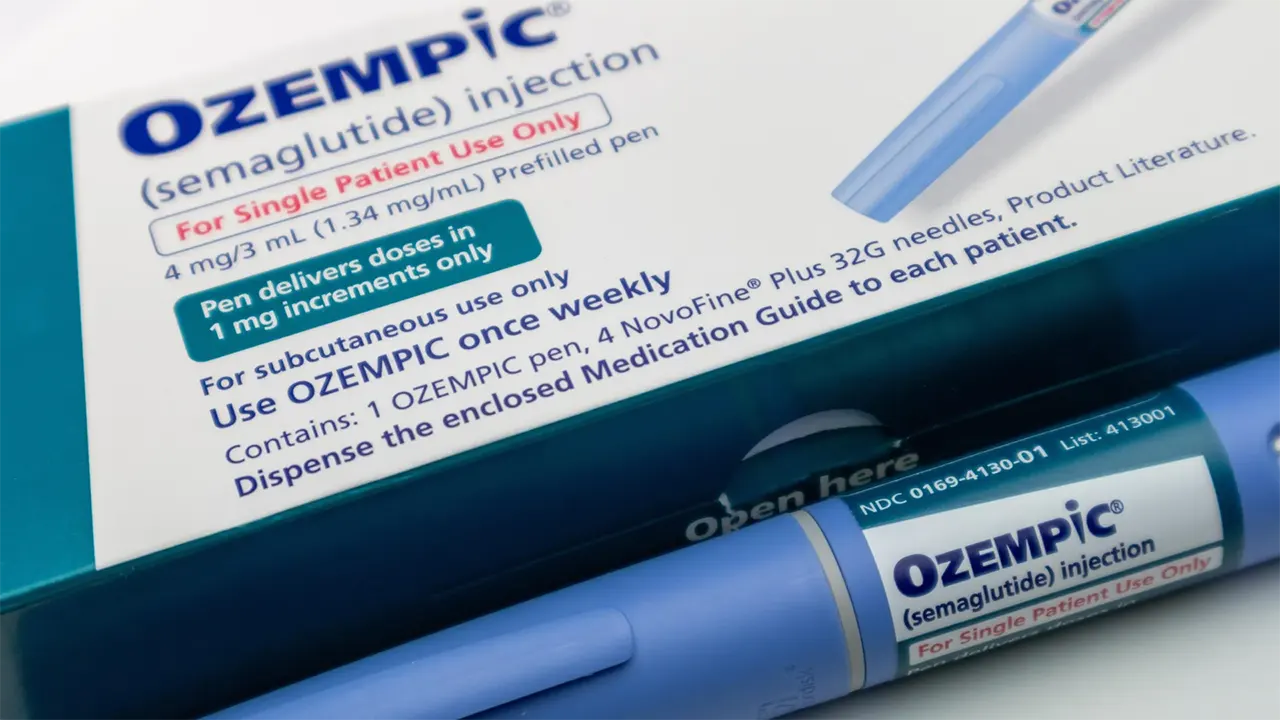
New studies show that GLP-1 receptor-agonist drugs such as tirzepatide (branded Mounjaro), semaglutide (branded Ozempic, Wegovy) and liraglutide (Saxenda) lead to substantial weight loss. However, researchers caution that key questions remain about long-term safety, side effects and equitable access.
⚖️ Weight-Loss Gains vs. Safety Gaps
Three new Cochrane reviews looked at hundreds of clinical trials and found consistent evidence:
- Tirzepatide caused about a 16 % average body-weight drop after 12-18 months.
- Semaglutide led to around 11 % weight loss over one to two years.
- Liraglutide produced a smaller yet meaningful 4-5 % reduction in body weight.
While the results are promising for managing obesity and excess weight, the evaluations flagged important gaps. For instance:
- Evidence is limited for outcomes beyond two or three years.
- Side-effects, like nausea and digestive discomfort, were higher among drug users.
- Data on major events — such as heart attacks, overall mortality or quality-of-life improvements — show no clear improvements so far.
- Many of the trials were industry-sponsored, raising questions about influence and independence.
Because of these concerns, the World Health Organization requested the reviews to inform future global guidance on using GLP-1 drugs for obesity.
🔍 Global Access and Future Directions
Researchers and public-health experts warn that while GLP-1 drugs could transform obesity treatment, several issues must be addressed:
- Equity of access: Many low-income countries may struggle to afford these costly medications.
- Long-term safety: Without extended follow-up research, clinics may lack full confidence in prescribing the drugs beyond a few years.
- Economic impact: Treating obesity with these drugs may reduce long-term health-care costs, but upfront investment is high.
Lead reviewer Dr Tom Higgins said: “We see powerful effects in short-term weight loss, yet we cannot yet say these drugs are safe for decades-long use.” He and colleagues emphasise that comprehensive independent trials are now urgently needed.
Clinicians note that GLP-1 drugs work best when combined with diet, exercise and behavioural support — they are not a magic pill. Some patients who stopped the drugs regained weight quickly, underscoring the need for holistic treatment plans.
🩺 What It Means for Patients
If you are considering a GLP-1-based treatment:
- Ask your doctor about long-term risks and safety data.
- Make sure you plan for continued lifestyle changes, not just medication.
- Consider cost and access: these medications can be expensive and may not be covered in all regions.
In short, GLP-1 drugs represent a major advance in weight-management medicine. They deliver impressive short-term results. Yet, as the evidence shows, the journey is not complete. The next crucial step is to confirm their safety, durability and fairness of access around the world.

0 Comments