
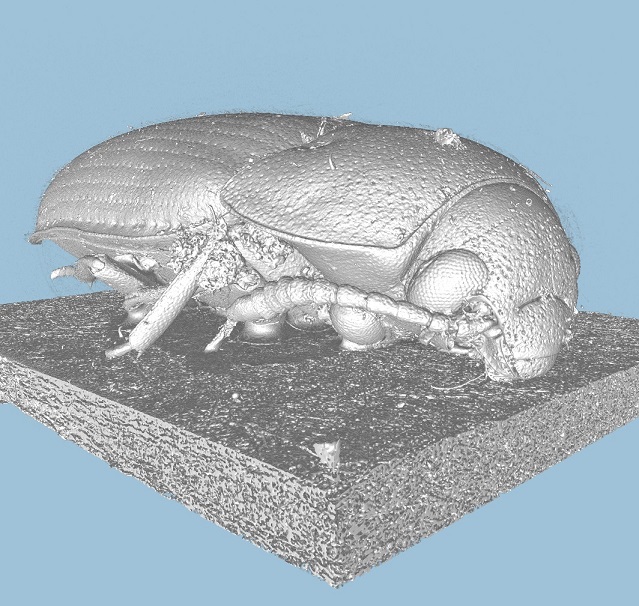
Inside the Diamond Light Source synchrotron in Oxfordshire, researchers are revolutionizing the study of insects through high-resolution X-ray technology. This powerful tool accelerates electrons to near light speed, producing intense X-ray beamlines that reveal material structures at the atomic level. Used by scientists such as evolutionary biologist Professor Anjali Goswami from the Natural History Museum, the synchrotron enables unprecedented imaging of insect anatomy to decode their evolutionary and ecological histories. The Natural History Museum holds millions of underexplored insect specimens, offering a treasure trove for scientific discovery. With insect populations declining drastically—45% in 40 years—and many species still unidentified, technologies like synchrotron imaging and AI-driven tools such as Sprout are critical for accelerating taxonomy and understanding environmental change. Researchers hope these insights can support biodiversity, track the impacts of climate change and pollution, and combat growing ecological threats. However, challenges such as reduced research funding and the massive scale of insect cataloging persist. Despite this, scientists remain hopeful that with continued innovation and support, they can uncover solutions to global ecological crises by learning from the vast and largely unknown world of insects.
Diamond Synchrotron Unveils Insect Biodiversity Amid Decline

0 Comments