
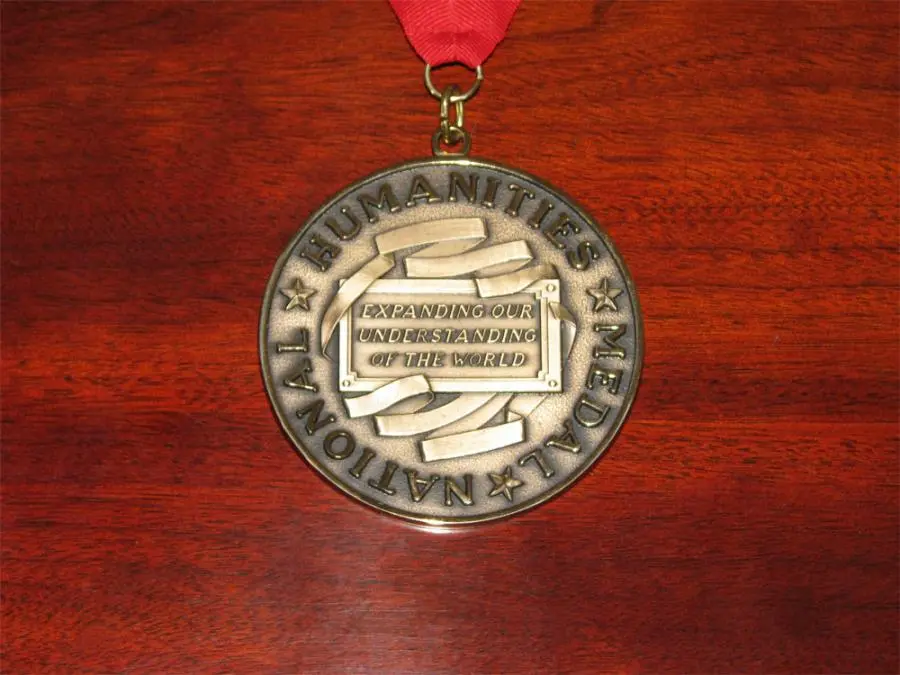
In a controversial move, former President Donald Trump has included a proposal in his 2026 budget plan that would eliminate the National Endowment for the Humanities (NEH), the National Endowment for the Arts (NEA), and several other key federal agencies that provide crucial funding and support to arts and humanities organizations in the United States. The proposal, which was issued late Friday afternoon, has sparked concern from cultural organizations across the nation, with critics warning of immediate and far-reaching consequences for the arts community.
If the budget proposal is approved by Congress, it would dismantle or defund key agencies that have played a central role in supporting art, history, education, and cultural programs throughout the country. The NEH, for instance, provides funding to the 56 state and territorial humanities councils, which offer critical resources for programs that engage the public in topics ranging from history to literature. The NEA, meanwhile, supports arts organizations, artists, and education initiatives, with a direct impact on theaters, museums, and community arts programs.
Among the agencies facing cuts is the Institute of Museum and Library Services (IMLS), which works to provide grants for libraries and museums nationwide. These agencies are often lifelines for cultural nonprofits that rely heavily on federal support to sustain their operations.
This proposal is not the first instance of significant cuts to the arts and humanities under the Trump administration. In the past month, both the NEH and NEA experienced major budget reductions for 2025, and the new proposal would go even further, aiming to eliminate these agencies entirely. Proponents of the cuts argue that reducing government spending on these agencies would save taxpayer money, while critics contend that it would cripple essential cultural infrastructure and stifle artistic and educational growth in America.
In his budget proposal, Trump defended the cuts by emphasizing the need for fiscal responsibility and focusing on areas he deemed more critical, such as national defense and healthcare. However, opponents of the plan argue that these agencies provide invaluable public services, with far-reaching impacts on education, creativity, and the cultural fabric of the nation.
Organizations dedicated to arts and humanities programs have expressed alarm over the proposal. Jennifer S. Thompson, a spokesperson for the American Alliance of Museums, called the plan “a devastating blow” to museum and library programs across the country, noting that these institutions have been instrumental in providing educational resources, preserving history, and promoting artistic expression.
Deborah Rutter, president of the John F. Kennedy Center for the Performing Arts, also voiced strong opposition to the budget proposal, stressing that the NEA and other cultural agencies support more than just the arts—they provide vital funding for education and community development programs that have a lasting impact on local economies.
As the proposal moves through Congress, it is expected to face intense scrutiny and debate, particularly given the significant backlash from the arts community. The 2026 budget proposal highlights ongoing tensions over government funding for cultural programs, with many fearing that these cuts will lead to long-term damage to America’s creative industries.
If passed, the proposal could result in the loss of millions of dollars in funding for the arts and humanities, affecting thousands of cultural organizations, artists, and communities across the United States.

0 Comments