
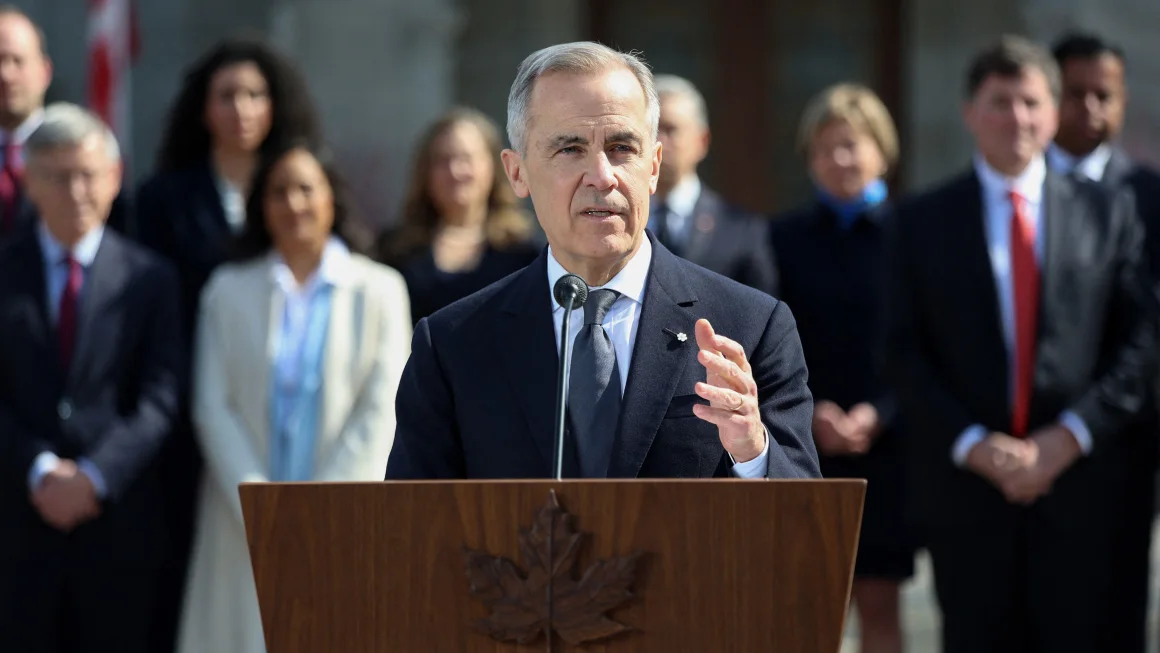
Mark Carney, the former Governor of the Bank of Canada and Bank of England, has increasingly emerged as a central figure in global economic and political discussions. While primarily known for his expertise in financial governance, Carney has gradually stepped into the political arena, positioning himself as a voice against what he calls “backlash politics”—a term that refers to the growing wave of reactionary movements responding to progressive policies worldwide.
A Career Rooted in Stability and Reform
Carney’s background in central banking has earned him a reputation for pragmatism and economic foresight. As Governor of the Bank of Canada during the 2008 financial crisis, he played a crucial role in steering the country’s economy through turbulent times. His tenure at the Bank of England (2013–2020) further solidified his global influence, where he implemented policies aimed at stabilizing the UK economy, particularly in the wake of Brexit.
However, Carney’s role has expanded beyond the realm of finance. His advocacy for environmental sustainability, responsible economic policies, and progressive financial regulations has placed him at the forefront of debates surrounding climate change, globalization, and economic justice.
Taking a Stand Against Reactionary Politics
In recent years, Carney has voiced his concerns about the rise of populism and reactionary movements that have gained traction in multiple Western democracies. These movements, often fueled by anti-globalization sentiments and skepticism towards progressive policies, have led to significant shifts in political landscapes.
Carney argues that backlash politics—where political forces react aggressively against perceived threats from progressive social and economic policies—undermines long-term economic growth and stability. Instead of fostering genuine debate and reform, such movements often focus on rolling back advancements in climate policies, social justice, and global cooperation.
“Populist movements often emerge when people feel left behind, but their solutions are rarely sustainable,” Carney has said in past speeches. “Instead of dismantling progressive frameworks, we should focus on inclusive policies that address inequality while ensuring economic resilience.”
Economic Policy as a Tool for Political Stability
Carney believes that economic policy should serve as a stabilizing force in times of political upheaval. His work in promoting sustainable finance, particularly through his involvement with the Task Force on Climate-related Financial Disclosures (TCFD), reflects his commitment to balancing economic growth with responsible governance.
By advocating for green investments, corporate accountability, and stronger economic institutions, Carney presents an alternative to reactionary politics—one that prioritizes long-term stability over short-term political gains.
Potential Political Aspirations?
Carney’s increasing presence in political discourse has led to speculation about his own ambitions. While he has not officially announced any political aspirations, his name has been mentioned as a potential leader within Canada’s Liberal Party or even as a future Prime Ministerial candidate. His ability to bridge the gap between economic expertise and political leadership could make him an appealing figure in an era of political uncertainty.
The Global Context
The backlash against progressive policies is not unique to Canada or the UK; it is a global phenomenon. From the rise of right-wing populist leaders in Europe to the political divisions in the United States, backlash politics has reshaped governance worldwide. Carney’s approach—focusing on sustainable economic policies, institutional stability, and long-term growth—offers a counter-narrative to these reactionary movements.
His stance aligns with other global leaders advocating for progressive yet economically sound policies. Figures like Emmanuel Macron in France and even former U.S. President Barack Obama have similarly emphasized the need to resist political regression while pushing forward with sustainable reforms.
The Road Ahead
As backlash politics continues to influence major policy decisions, voices like Mark Carney’s may become increasingly important. Whether through direct political involvement or continued economic advocacy, Carney’s emphasis on responsible governance and long-term planning presents a potential roadmap for countering reactionary movements.
While his critics argue that his approach is too technocratic or disconnected from the frustrations of everyday citizens, Carney maintains that economic and social progress must go hand in hand. The challenge, he acknowledges, is ensuring that these policies resonate with the public in a meaningful way.
For now, Carney remains a powerful voice in the intersection of finance and politics, urging policymakers to resist the allure of short-term political gains at the expense of long-term prosperity. His ability to shape economic debates in the coming years may determine whether backlash politics continues to gain ground—or if a more balanced, forward-thinking approach can take its place.

0 Comments