
More than 50 medical schools in the United States will expand nutrition training for future doctors after reaching a voluntary agreement with federal health officials. The initiative aims to strengthen medical education and improve how physicians address diet-related diseases.
Under the agreement, 53 medical schools will introduce 40 hours of nutrition education or an equivalent competency programme beginning in autumn 2026. The initiative forms part of broader efforts to improve preventive healthcare through better understanding of diet and nutrition.
Meanwhile, health officials say the training will help doctors provide stronger guidance on nutrition-related health conditions.
🏫 New Training Requirements for Future Doctors
The new commitment covers about one-quarter of accredited medical schools in the United States. These institutions will expand their curriculum to ensure students receive stronger instruction in nutrition science.
Under the programme, medical schools will either teach 40 hours of nutrition education or develop equivalent competency-based training. However, the federal government will not control the specific curriculum. Instead, each school will design its own teaching approach.
Therefore, universities will adapt the programme to fit their existing medical education structures.
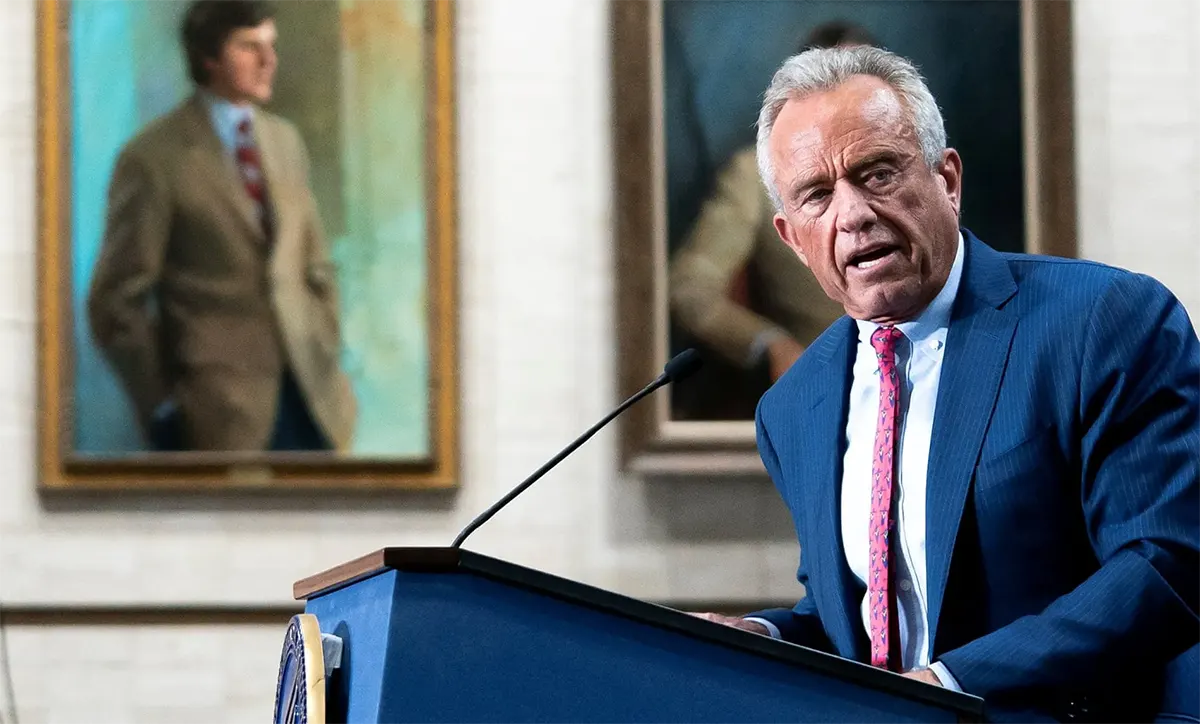
“Medical education must teach the science of nutrition,” said U.S. Health Secretary Robert F. Kennedy Jr. while announcing the initiative.
Consequently, policymakers believe stronger nutrition education will better prepare doctors to support healthier lifestyles.
🥗 Addressing Diet-Related Chronic Diseases
Health experts increasingly link poor nutrition to chronic diseases such as diabetes, heart disease, and obesity. As a result, many policymakers argue that medical training should place greater emphasis on nutrition.
Officials say improved education could help physicians guide patients on dietary changes and preventive healthcare. Therefore, expanding nutrition training may strengthen long-term public health outcomes.
The initiative also forms part of a broader government effort promoting healthier eating and preventive healthcare policies.
🎓 Universities Joining the Initiative
Several universities have already committed to the programme. Participating institutions include the University of Florida, Tulane University, the Geisel School of Medicine at Dartmouth, and William Carey University College of Osteopathic Medicine.
Most participating institutions grant Doctor of Medicine (MD) degrees, although some osteopathic medical schools have also joined the initiative.
Meanwhile, officials continue discussions with additional universities that may adopt similar training programmes in the future.
🌍 Strengthening Preventive Healthcare Education
Supporters of the programme argue that doctors often receive limited formal education in nutrition during medical training. Therefore, expanding instruction could improve physicians’ ability to address health problems linked to diet.
At the same time, universities remain responsible for designing the curriculum and implementing the programme within their academic frameworks.
Consequently, the initiative marks a significant step toward integrating nutrition science into mainstream medical education.

0 Comments